Question 21
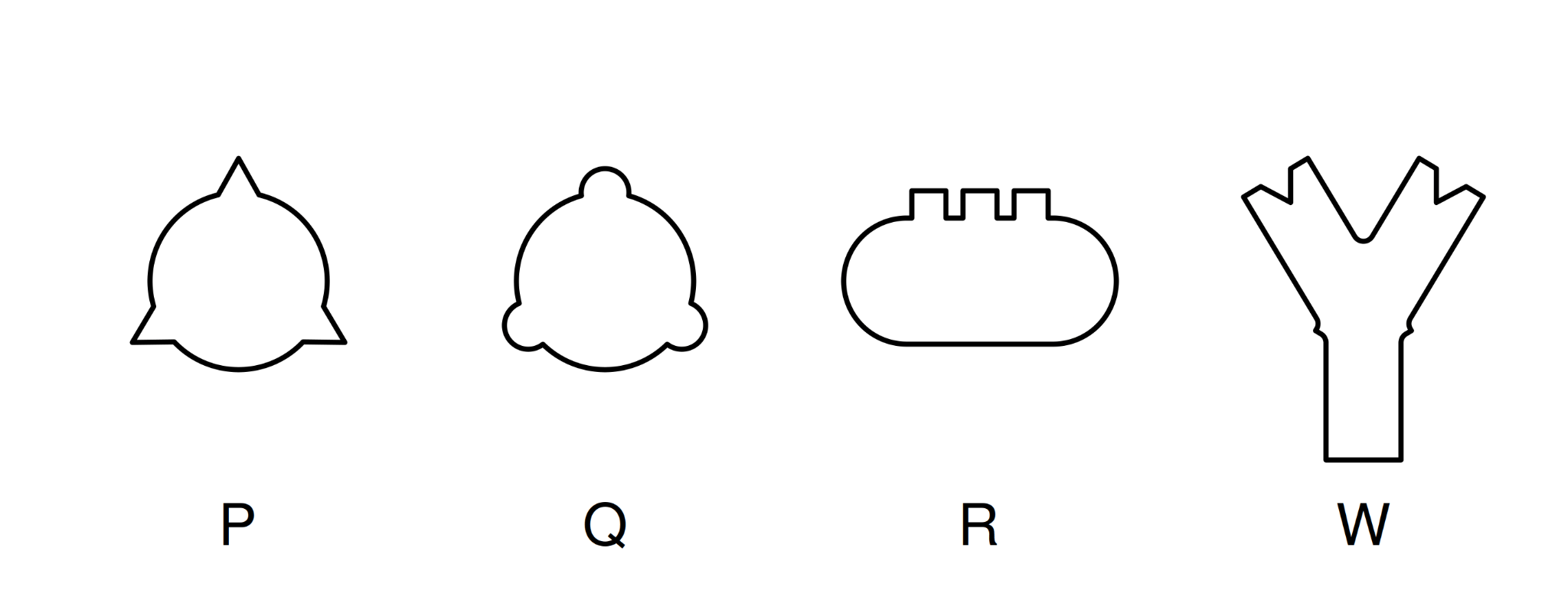
FThe figure shows three pathogens, P, Q and R, and one antibody, W.
Figure: Three pathogens with differently shaped antigens, and one antibody
a.[1]
Give the letter of the pathogen that antibody W will lock onto.
b.[2]
Explain your answer to part a).
c.[2]
A person recovers from an infection by pathogen P. A few weeks later they are infected by pathogen Q. Explain why the antibodies made against P do not protect the person against Q.
d.[1]
Name the type of cell that produces antibody W.
3.1 Communicable diseases Questions
176 exam-style questions on AQA GCSE Biology 3.1 Communicable diseases, covering 3.1.1 Communicable (infectious) diseases, 3.1.2 Viral diseases, 3.1.3 Bacterial diseases, 3.1.4 Fungal diseases, 3.1.5 Protist diseases, 3.1.6 Human defence systems, 3.1.7 Vaccination, 3.1.8 Antibiotics and painkillers, and 3.1.9 Discovery and development of drugs. Each one has a worked solution and a mark scheme showing where the marks go.