Question 6
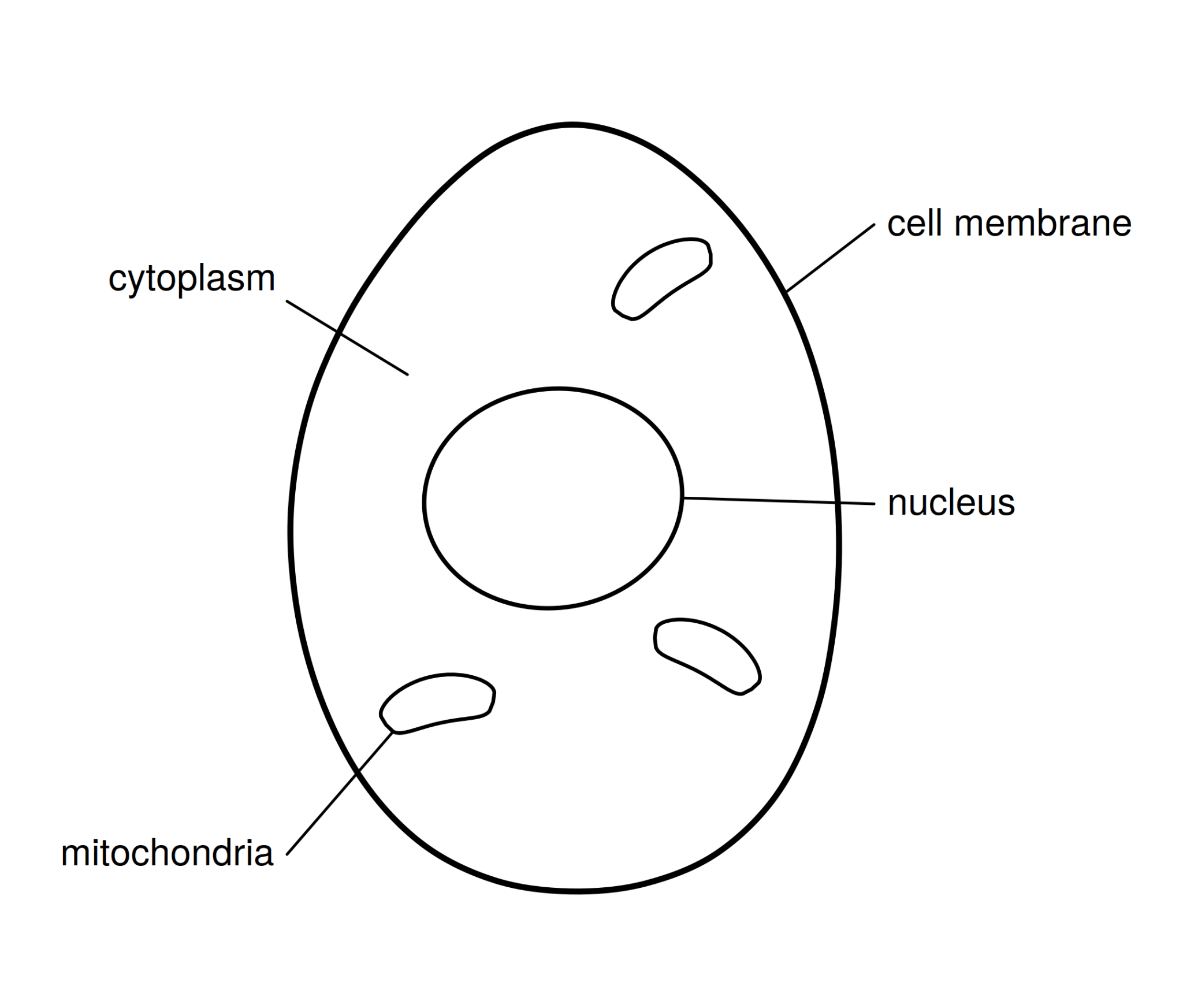
FThe figure shows a cell of the protist that causes malaria.
Figure: A cell of the protist that causes malaria, with four of its structures labelled
a.[2]
Give two structures labelled in the figure that show this cell is eukaryotic and not prokaryotic.
b.[1]
The malarial protist is a parasite. Give the meaning of the term parasite.
c.[1]
Describe how the malarial protist gets into the blood of a person.
d.[2]
A student says that malaria can be treated with antibiotics. Explain why the student is wrong.
3.1 Communicable diseases Questions
176 exam-style questions on AQA GCSE Biology 3.1 Communicable diseases, covering 3.1.1 Communicable (infectious) diseases, 3.1.2 Viral diseases, 3.1.3 Bacterial diseases, 3.1.4 Fungal diseases, 3.1.5 Protist diseases, 3.1.6 Human defence systems, 3.1.7 Vaccination, 3.1.8 Antibiotics and painkillers, and 3.1.9 Discovery and development of drugs. Each one has a worked solution and a mark scheme showing where the marks go.