Resit English Literature in November: GCSE Guide
Resit English Literature in November? Learn which GCSEs are available, why Literature waits until summer and how to arrange your next exam entry.
A disappointing result can make every English qualification blur into one problem. Language, Literature, November, summer. They sound connected, so it is reasonable to assume they share the same resit timetable.
The short answer is no: you cannot normally resit English Literature in November. The regular November GCSE series covers GCSE Maths and GCSE English Language only. To retake GCSE English Literature, you will usually need to enter the next summer exam series through a school, college or private-candidate centre.
That distinction matters, especially if you are already preparing for November Maths and English Language exams. One timetable may contain two urgent resits, while Literature belongs to a longer summer plan.
The essential resit checklist
- November GCSE resits are available for Maths and English Language.
- English Literature is normally examined in the summer series.
- English Language and English Literature are separate GCSE qualifications.
- Ask your school or college whether it will enter you for Literature.
- If it will not, look for an approved centre accepting private candidates.
- Confirm your exam board, specification and set texts before revising.
- Ask about entry deadlines, fees and access arrangements early.
For a broader explanation, read the November GCSE resits guide.
Why English Literature is not a November GCSE subject
The regular November series is deliberately limited. Across the main GCSE exam boards, it provides another opportunity to sit Maths and English Language. It is not a second general exam season covering every GCSE subject.
That means the list of GCSE subjects in November does not normally include English Literature, History, Geography or the sciences. Seeing the word “English” on a November timetable can cause confusion, but it refers to English Language rather than every English qualification.
English Language assesses skills such as reading unfamiliar texts and communicating effectively in writing. English Literature assesses your response to studied works, which may include plays, novels and poetry. A grade in one does not automatically replace the grade awarded for the other.
MathsGenie's detailed guide to the GCSE English Literature November resit rules explains this difference further.
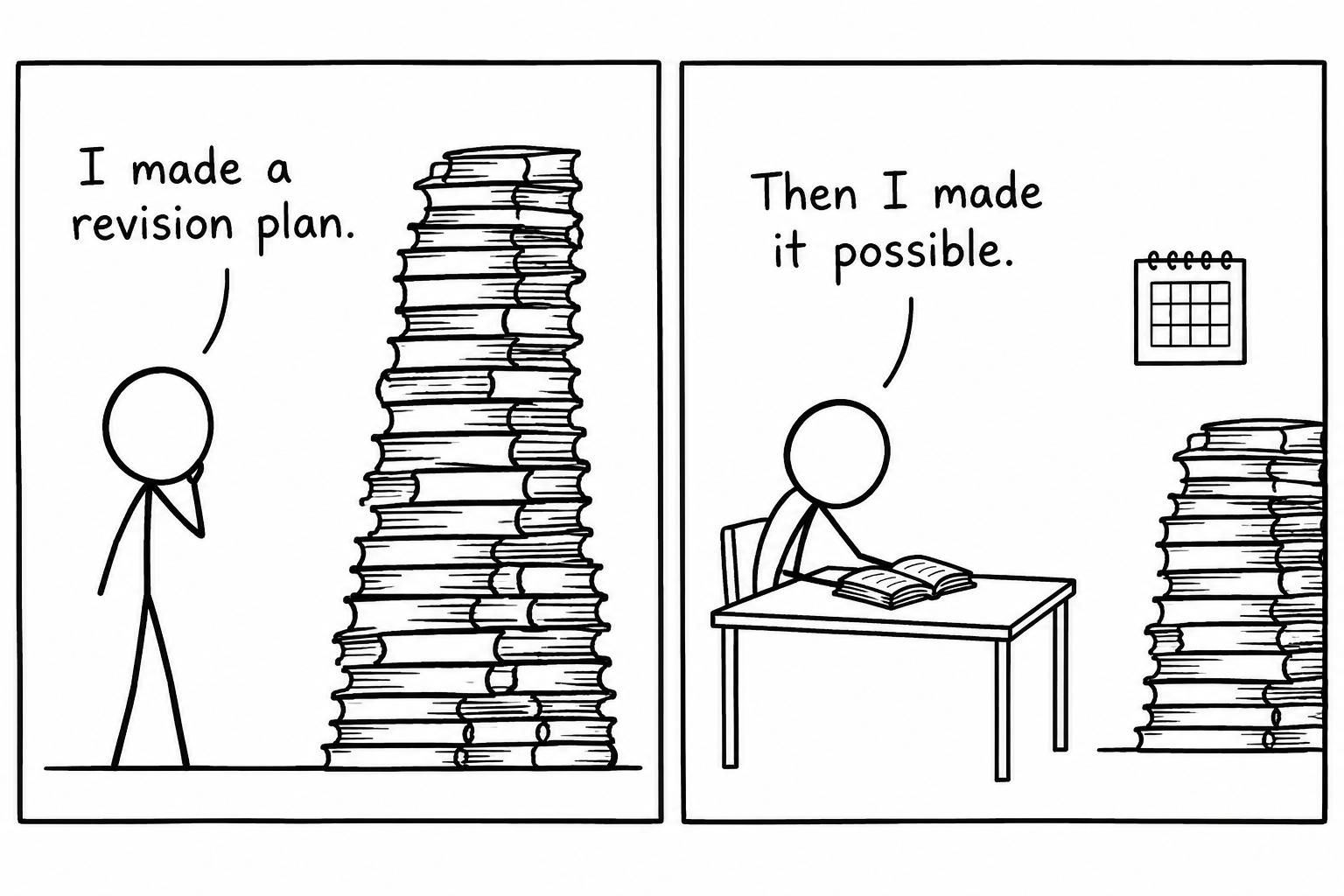 A student turns an impossible revision pile into one manageable open book
How to arrange an English Literature resit in summer
Start by speaking to the exams officer at your current school or college. Ask one precise question: “Can you enter me for GCSE English Literature in the next summer series?”
If the answer is yes, confirm:
- the exam board and specification;
- which texts and poetry collection you must prepare;
- whether you need to sit every required paper;
- the centre's internal entry deadline;
- whether it charges an entry or administration fee.
If your school or college cannot enter you, you may be able to register through a private-candidate centre. Centres choose which qualifications and exam boards they support, so contact them before buying revision materials. Arrangements and fees vary.
Your new centre may use a different specification from the one you previously followed. That is not a small administrative detail. Different specifications can prescribe different texts and organise assessment differently. Confirm the entry first, then build your revision around it.
Students arranging a later entry may also find the guide to retaking GCSE English Literature after sixth form useful.
Planning November and summer without becoming overwhelmed
If you are resitting Maths and English Language in November, treat those exams as the immediate project. Literature can remain active through lighter weekly revision until the November papers are finished.
A practical plan might include regular Maths practice, one timed English Language task and one shorter Literature session each week. For Language, start with a GCSE English Language resit revision plan and use the appropriate past papers. MathsGenie provides AQA English Language past papers and mark schemes for students following that specification.
For Maths, use the GCSE Maths revision hub to choose your exam board and tier. Revision lessons and practice questions can repair individual weaknesses; mini tests show whether the repair has worked. Past papers, mark schemes and video solutions then help you turn knowledge into exam marks. The wider MathsGenie resource collection also brings together structured revision tools and predicted papers.
The aim is not to revise every subject every evening. It is to give the nearest exam the clearest attention while keeping the summer resit moving quietly in the background.
Common mistakes to avoid
Assuming “English resit” means Literature
Always check the full qualification title. A November English entry will normally be GCSE English Language, not GCSE English Literature.
Waiting until summer to find an exam centre
Centres use entry deadlines and may have limited private-candidate capacity. Begin asking about a summer Literature entry well in advance.
Revising the wrong texts
Do not assume that every exam board studies the same novel, play or poetry collection. Confirm your specification and centre entry before committing to a revision plan.
Splitting revision time equally
An imminent November paper should usually receive more attention than a summer exam. Equal time can feel organised while quietly ignoring urgency.
Your next step
You cannot normally take an English Literature resit in the regular November series, but that does not close the door. It simply changes the route: enter Literature for summer, confirm the specification and prepare steadily.
Meanwhile, focus your November effort on Maths and English Language. Begin with MathsGenie's free revision lessons, practice questions, mini tests and past papers. A resit becomes less intimidating when it stops being one large verdict and becomes a sequence of small, visible improvements.