Can You Switch GCSE Panjabi to Bengali Mid-Year?
Switch GCSE Panjabi to Bengali mid-year: learn what your school and exams officer must check, plus a realistic catch-up and maths revision plan.
A subject choice can look sensible in September and feel completely different by January. Perhaps you understand Bengali more confidently at home, find its script easier to write, or have discovered that your school can provide better teaching support for it.
If you want to switch GCSE Panjabi to Bengali after the course has started, the short answer is: it may be possible, but it is not an automatic student choice. Your school or examination centre must confirm that it can teach or supervise the new course, enter you for the correct qualification, arrange every assessment component and help you cover the content already taught.
The later you ask, the harder the administration and catch-up become. Speak to your languages teacher, head of department and exams officer as soon as possible rather than waiting for the next parents' evening.
Your mid-year switching checklist
Before leaving Panjabi, you need clear answers to these questions:
- Does your school approve changes at this stage of the course?
- Does the centre offer GCSE Bengali and accept candidates for it?
- Which exam board and specification would you follow?
- Can the centre conduct every required assessment component?
- Have examination entries already been submitted?
- What fees or administrative consequences could a late change create?
- Can you already read, write, speak and understand Bengali at GCSE level?
- How much specification content and vocabulary must you catch up?
- Who will teach, assess and monitor your progress?
- Can the change fit alongside your GCSE maths and other subjects?
A convincing request is not simply, “I prefer Bengali.” It is a practical proposal showing that the qualification is available, the missing learning is manageable and the change will not create an impossible revision load.
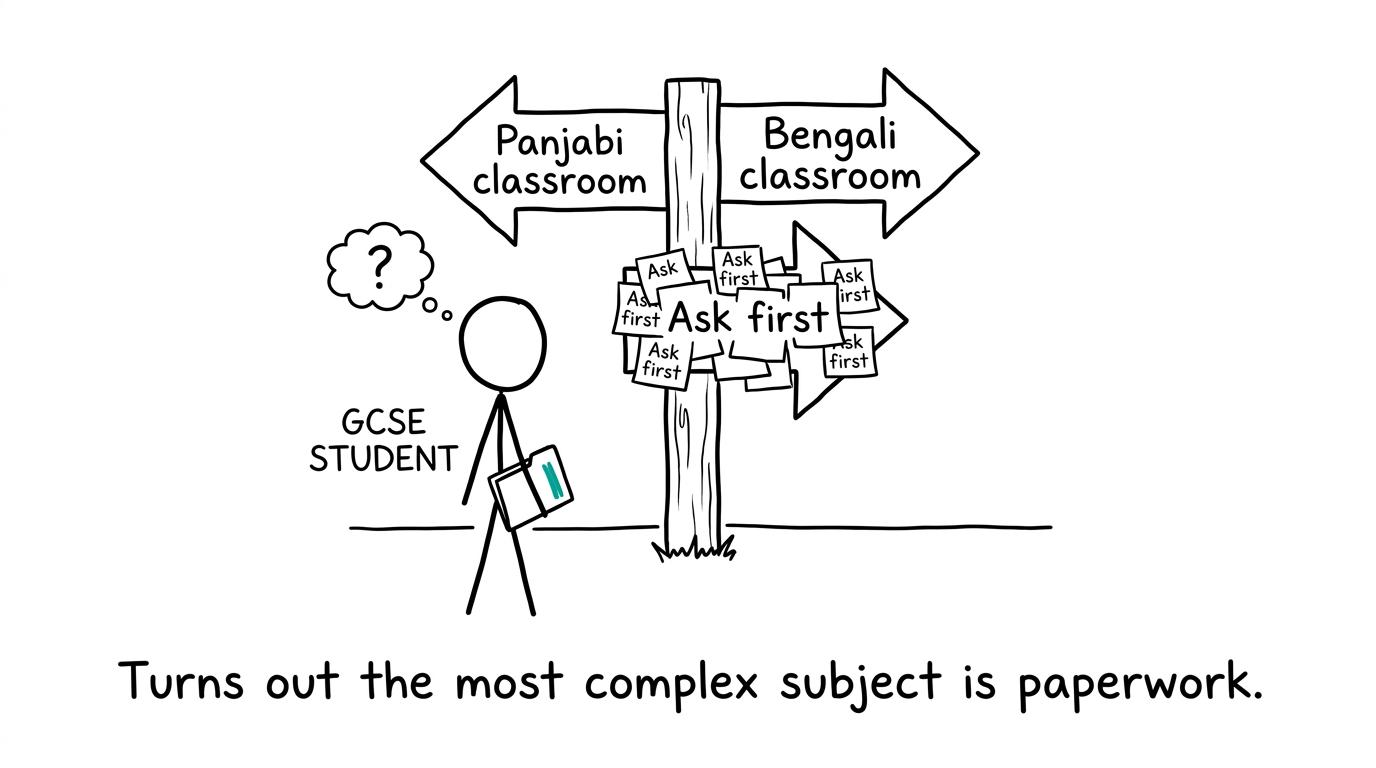 A student follows a school signpost towards the exams office before changing language subjects
What it actually takes to change language GCSEs
Three separate questions determine whether a switch can happen: permission, examination arrangements and academic readiness. Being a confident Bengali speaker helps with the third question, but it does not settle the first two.
Approval from your school
Schools set their own policies on changing GCSE options. A change may affect teaching groups, timetables, staffing and progress reporting. If Bengali is not taught during the normal timetable, the school must decide whether supervised independent preparation, an external tutor or another approved arrangement is acceptable.
Do not stop attending Panjabi lessons while waiting for an answer. Until the school formally approves the change, Panjabi remains your course. Leaving lessons early could create a gap without guaranteeing a Bengali entry.
A centre that can enter and assess you
GCSE subjects are entered through an approved examination centre, usually your school. You cannot normally decide privately to sit a different language paper at school without the centre's agreement.
Panjabi and Bengali may also involve different exam boards and specifications. A centre might, for example, deal with AQA for one language and Pearson Edexcel for another, subject to the qualifications available for your examination series. That means the exams officer must check current entry codes, component arrangements, tier rules, deadlines and fees rather than merely changing a subject name on a timetable.
Published entry deadlines and late-fee dates vary by examination series and awarding organisation. They can also change from year to year. Your exams officer is therefore the right person to confirm the dates that apply to your intended sitting.
Access to every assessment component
A modern language GCSE normally assesses listening, speaking, reading and writing. Exact structures, timings, themes, tier arrangements and permitted support depend on the current specification.
The speaking assessment is especially important administratively. The centre needs an appropriate teacher or assessor, suitable recording arrangements and secure handling procedures. If it cannot provide those things for Bengali, personal fluency alone will not make the switch possible.
Ask for the current Bengali specification and assessment overview. Do not assume that topics, task formats or mark schemes are identical to those used in Panjabi.
Panjabi knowledge does not transfer automatically
Learning one language GCSE can build useful habits. You may understand how vocabulary tests work, how to develop a speaking answer and why accurate tense use matters. Yet Panjabi and Bengali are distinct languages with different writing systems, grammar, pronunciation and vocabulary.
A Bengali speaker who uses the language mainly in conversation may still need substantial work on:
- reading the Bengali script accurately under time pressure;
- spelling and formal written conventions;
- writing extended answers rather than informal messages;
- understanding unfamiliar voices in listening tasks;
- responding to specification themes beyond home conversation;
- translating where the specification requires it;
- interpreting command words and assessment criteria;
- preparing answers that sound natural rather than memorised.
This distinction matters because conversational confidence can hide examination gaps. You might discuss food easily with relatives but struggle to write a structured response about education, employment, social issues or future ambitions.
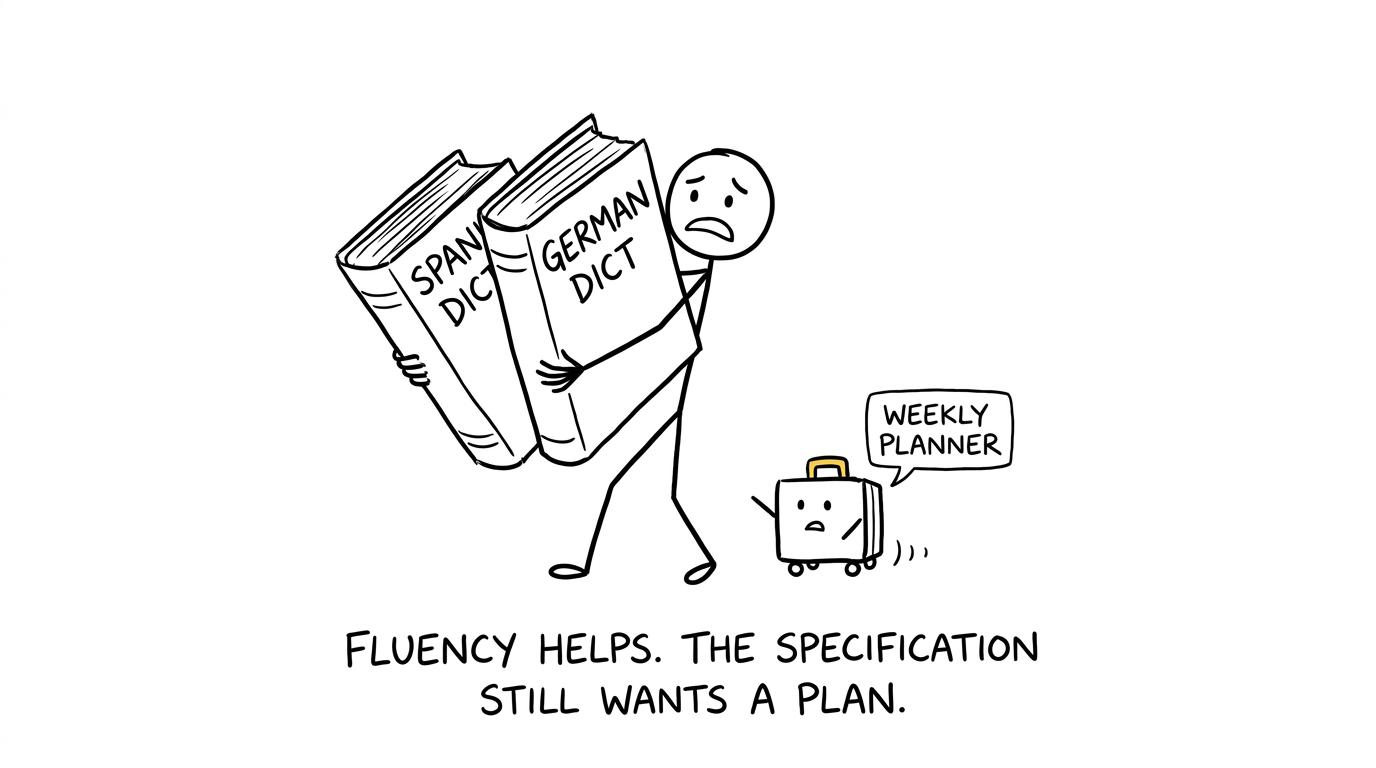 A student discovers that language fluency still needs a specification and revision plan
How to judge whether the catch-up is realistic
Before approving a switch, a school may want evidence of your present Bengali level. A teacher might review a writing sample, hold a short conversation or use reading and listening material from the relevant specification. This is not a punishment. It is a way to avoid replacing one difficult course with another that only appears easier.
Ask for a written audit with three columns:
| Area | What to check |
|---|---|
| Specification | Themes, grammar, vocabulary and assessment format already covered |
| Current ability | Reading, writing, listening and speaking strengths and gaps |
| Support | Teacher access, speaking practice, feedback and suitable materials |
The right question is not whether you can “finish Bengali” quickly. It is whether you can close specific gaps while continuing to revise every other GCSE.
Build a short trial period
If your school permits it, a short diagnostic period can provide better evidence than optimism. During that period, complete representative Bengali tasks from each assessed skill and ask a qualified teacher to review them against the relevant mark scheme.
Agree in advance what success looks like. Suitable indicators might include regular attendance, completed catch-up tasks, evidence across all four skills and a manageable effect on your other subjects. The final decision still belongs to the school and examination centre.
Make the plan concrete
A useful weekly plan names the task rather than writing “revise Bengali”. It might include vocabulary retrieval, script accuracy, one listening activity, one piece of writing and a scheduled speaking session. Record errors so that the following week's practice responds to evidence.
Also identify who will give feedback. Independent work can develop vocabulary, but speaking and extended writing are difficult to judge accurately without knowledgeable support.
Protect your GCSE maths revision during the change
A language switch creates new decisions, meetings and catch-up work. Maths is often the subject quietly pushed aside because its deadline feels less immediate. That is risky: algebra, geometry and number skills become secure through repeated practice, not one rescue session before the examination.
Keep a modest non-negotiable maths routine while the language arrangements are being resolved. The 20-minute GCSE maths revision routine is designed for busy school days. Choose one weak topic, complete focused questions, mark them and note the error you need to correct.
If you are uncertain what to revise, use the GCSE maths topics by exam board and tier to distinguish Foundation and Higher content. Your maths specification remains determined by your own board, whether that is Edexcel, AQA, OCR or Eduqas; changing a language GCSE does not alter your maths tier or entry.
Students following Edexcel can use the Edexcel GCSE Maths past papers for timed practice and the Edexcel GCSE Maths mini tests for shorter sessions. If independent revision is becoming necessary across several subjects, the guide to self-studying GCSE maths realistically explains how to combine lessons, questions and honest marking.
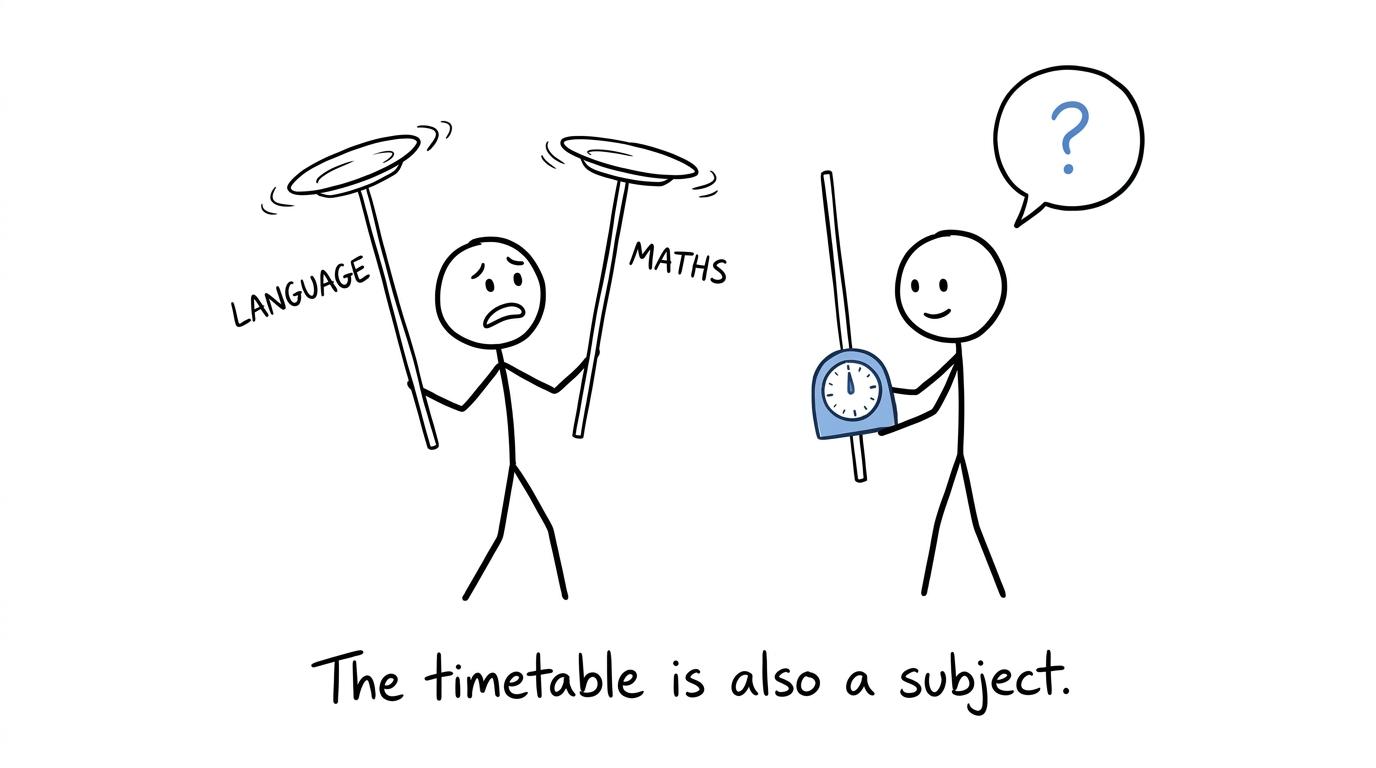 A student balances language and maths revision by managing time rather than adding more work
Common mistakes when requesting the switch
Assuming home fluency guarantees a high grade
Speaking at home is valuable, but GCSE assessment also rewards accurate reading, formal writing, careful listening and responses matched to the specification. Test all assessed skills before making the decision.
Asking only the classroom teacher
Your teacher may support the idea without controlling examination entries. Include the head of department, options lead and exams officer so academic and administrative questions are answered together.
Ignoring the current exam specification
Do not revise from a random textbook or an obsolete paper simply because it says “GCSE Bengali”. Confirm the awarding organisation, specification, tier where relevant and intended examination series.
Waiting until entries are finalised
A late request may involve extra approval, entry amendments or fees, and some arrangements may no longer be practical. Ask immediately even if you have not made your final decision.
Dropping Panjabi before receiving written confirmation
Continue your existing course until the school confirms the change, entry route, teaching plan and start date. A verbal possibility is not a completed transfer.
Sacrificing every other subject to catch up
A switch that damages maths, English and science may not be academically sensible. Use short, scheduled catch-up blocks and review the workload after the first week. MathsGenie's one-week GCSE maths revision plan can help restore structure if revision has become scattered.
The decision should reduce risk, not merely discomfort
Switching from GCSE Panjabi to GCSE Bengali mid-year can be sensible when your Bengali is demonstrably stronger, your centre can provide the complete assessment and you have a credible catch-up plan. It is much less sensible when the decision rests only on one difficult Panjabi assessment or the belief that a familiar spoken language requires little preparation.
Take a one-page proposal to your school. State why you want to change, what Bengali skills you already have, which areas need development, what support is available and how you will protect time for your other GCSEs. Then ask the exams officer for a definitive answer about qualification availability and entry arrangements.
Whatever the outcome, keep your maths progress steady. Start at the MathsGenie GCSE and A Level revision hub, use free revision lessons and practice questions to repair weak topics, and move on to mini tests, past papers, predicted papers, mark schemes and video solutions. A subject change may alter part of your timetable. It does not have to derail the habits that improve your grades.