

A-Level History Results Day Questions Answered
A-level history results day questions answered: grades, UCAS, marking reviews, Clearing and calm next steps for students and parents in 2026.
Results day compresses two years of work into one small screen or envelope. That is why ordinary decisions can suddenly feel enormous. These A-level history results day questions cover what students and parents need to know: when results arrive, how grades are decided, what UCAS may show and what to do if something looks wrong.
The short answer is reassuring. Check the result carefully, speak to your school or college before making a major decision, and remember that an unexpected grade still leaves several routes forward.
Your results-day checklist
Before the day, make sure you can:
- access your school or college results system;
- sign in to your UCAS application, if relevant;
- find contact details for your exams officer and universities;
- identify your firm and insurance offer conditions;
- keep your phone charged and available;
- discuss possible alternatives without committing to them prematurely.
A-level, AS and T Level results are released on Thursday 13 August 2026. Your school or college decides how and when you receive them, so follow its instructions rather than assuming that collection arrangements are the same everywhere.
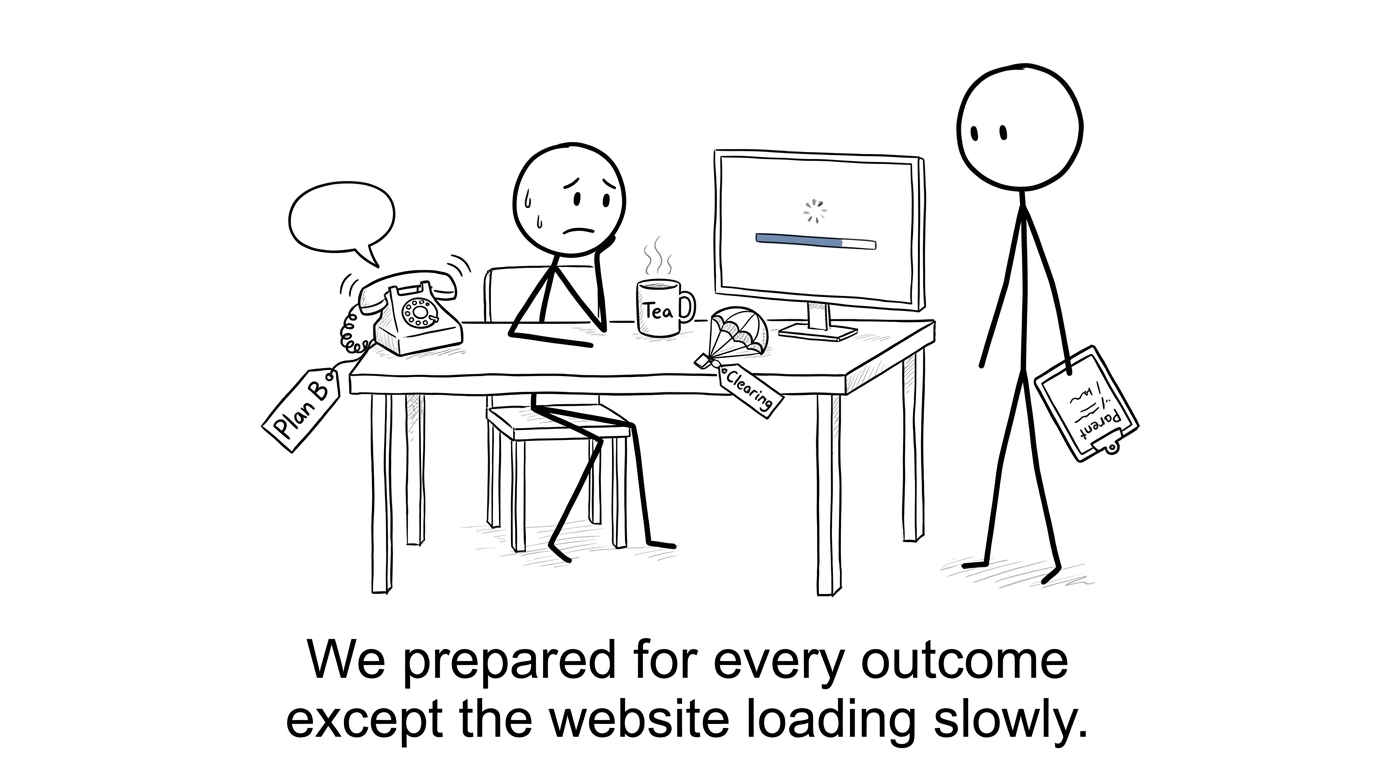 A student and parent overprepare for results morning while the website loads slowly
When will I receive my A-level History result?
Results are released to students on 13 August 2026. Your centre may provide them in person, through a secure portal or by another agreed method. Confirm the opening or release time directly with your school or college.
UCAS also updates applications on results morning, but it does not replace your official results statement. UCAS might confirm a university decision without displaying the detailed marks awarded for each History component.
What information will my results statement show?
Your statement should show your qualification and overall grade. Depending on the exam board and your centre's system, it may also include component marks or additional information.
Check that your personal details, subject and grade appear correctly. If anything is missing or looks unusual, speak to the exams officer immediately. Do not rely on comparisons with friends because AQA, Edexcel, OCR and WJEC specifications have different components, topics and assessment structures.
Students can explore the relevant course through the A-level History revision hub, which brings together exam-board resources and grade information.
How are A-level History grade boundaries decided?
Awarding organisations set grade boundaries after papers have been marked. Boundaries can move from year to year to account for differences in paper difficulty while maintaining a comparable standard.
There is no fixed quota requiring a certain number of students to pass or fail. Your grade depends on your marks and where they fall against that year's boundaries.
Do not use last year's boundary as a promise about this year's result. Once current boundaries are available, compare the correct specification and exam series. AQA students can use the AQA History grade calculator to explore published boundaries from different years, while remembering that a previous boundary cannot predict a future one.
What should I do if I miss my university offer?
Check your UCAS application before assuming that you have lost the place. A university may still accept a student who narrowly misses the stated conditions, but this is the university's decision and should never be treated as guaranteed.
If your firm choice is unsuccessful but your insurance choice is confirmed, read the course details and await the university's instructions. If neither place is confirmed, you may be eligible for Clearing. Search available courses, contact universities yourself and record the details of any offer carefully.
Do not decline a confirmed place impulsively. Releasing yourself into Clearing can mean losing that place, so discuss the decision with a school adviser and the relevant university first.
Can I ask for my History paper to be checked?
Yes, but begin with your school or college. Post-results services are requested through centres and normally require your written consent.
A clerical re-check checks processes such as whether marks were recorded and totalled correctly. A review of marking considers whether the mark scheme was applied correctly; it is not a completely fresh re-mark. Schools may also request access to marked scripts to help decide whether a review is sensible.
Deadlines and fees depend on the service and awarding organisation. Priority services can have particularly short deadlines where a university place is involved, so contact your exams officer on results day rather than waiting.
Could a review of marking lower my grade?
Yes. Following a review, the mark can rise, remain unchanged or fall. That is why candidates must give consent and why the decision should be based on evidence rather than disappointment alone.
Ask a History teacher to examine the component marks, relevant grade boundaries and, where available, the script. Essay-based subjects involve professional judgement, but being close to a boundary does not itself prove that marking was incorrect.
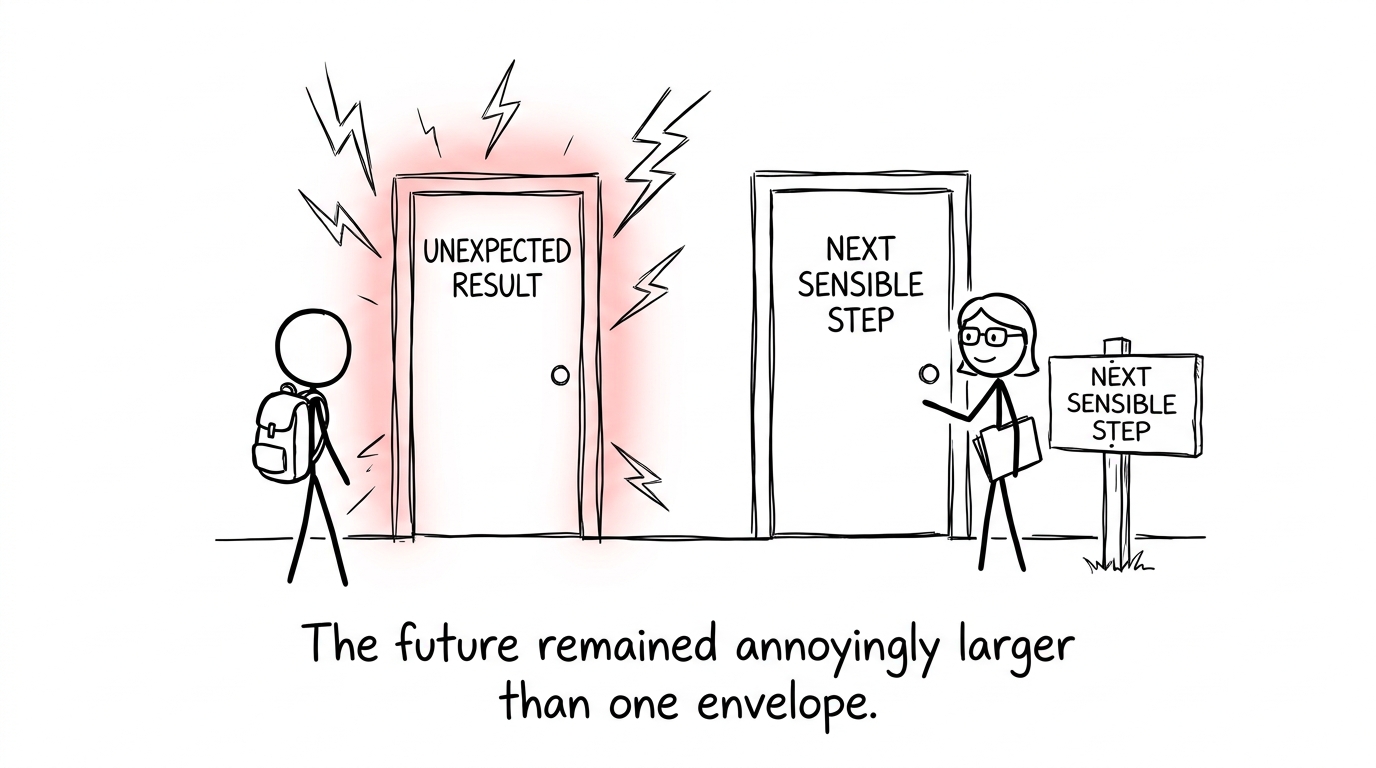 A student discovers that an unexpected result is followed by several sensible routes
Where can I find the correct History papers and mark schemes?
Start with your exam board, because the question styles and studied options differ. MathsGenie provides dedicated hubs for AQA A-level History, Edexcel A-level History, OCR A-level History and WJEC A-level History.
If you are considering a resit, use the precise specification and option studied by your centre. The Edexcel History past papers and OCR History past papers help students compare questions with official mark schemes rather than relying on memory of how an essay felt.
Can I retake A-level History?
Retaking may be possible, but practical arrangements vary. Ask your school or an approved exam centre whether it accepts resit candidates, which specification it offers and how any non-exam assessment will be handled.
Also check whether your intended university or course has a policy on resits. A retake can be worthwhile when it supports a clear goal, but it should be compared with alternatives such as Clearing, a different course, an apprenticeship or a planned gap year.
How can parents help on results day?
The most useful role is calm support. Let the student read the result, speak to teachers and make university calls themselves. Universities may need to speak directly to the applicant.
Parents can help by keeping notes, checking deadlines and asking steady questions: What has UCAS confirmed? What does the exams officer recommend? Is this decision reversible? The aim is not to remove emotion, but to prevent emotion from becoming an irreversible click.
Common mistakes with History results
Avoid these common results-day errors:
- assuming a previous year's grade boundary applies in 2026;
- treating a near miss as automatic evidence of incorrect marking;
- waiting too long to ask about a priority review;
- confusing a clerical re-check with a review of marking;
- declining a university place before confirming an alternative;
- comparing raw marks across different exam boards or specifications;
- allowing a parent to make calls that the applicant should make;
- deciding on a resit before checking centre and university requirements.
Turn the result into a useful next step
A result matters, but it does not explain every hour that led to it or determine every year that follows. The best response is practical: verify the details, seek qualified advice and choose the next action with care.
Whatever the outcome, use MathsGenie's free A-level History resources to review revision lessons, practise with past and predicted papers, study mark schemes and rebuild essay technique with focused questions. Start with your exam board, identify what needs to improve and turn results day from a verdict into a plan.










