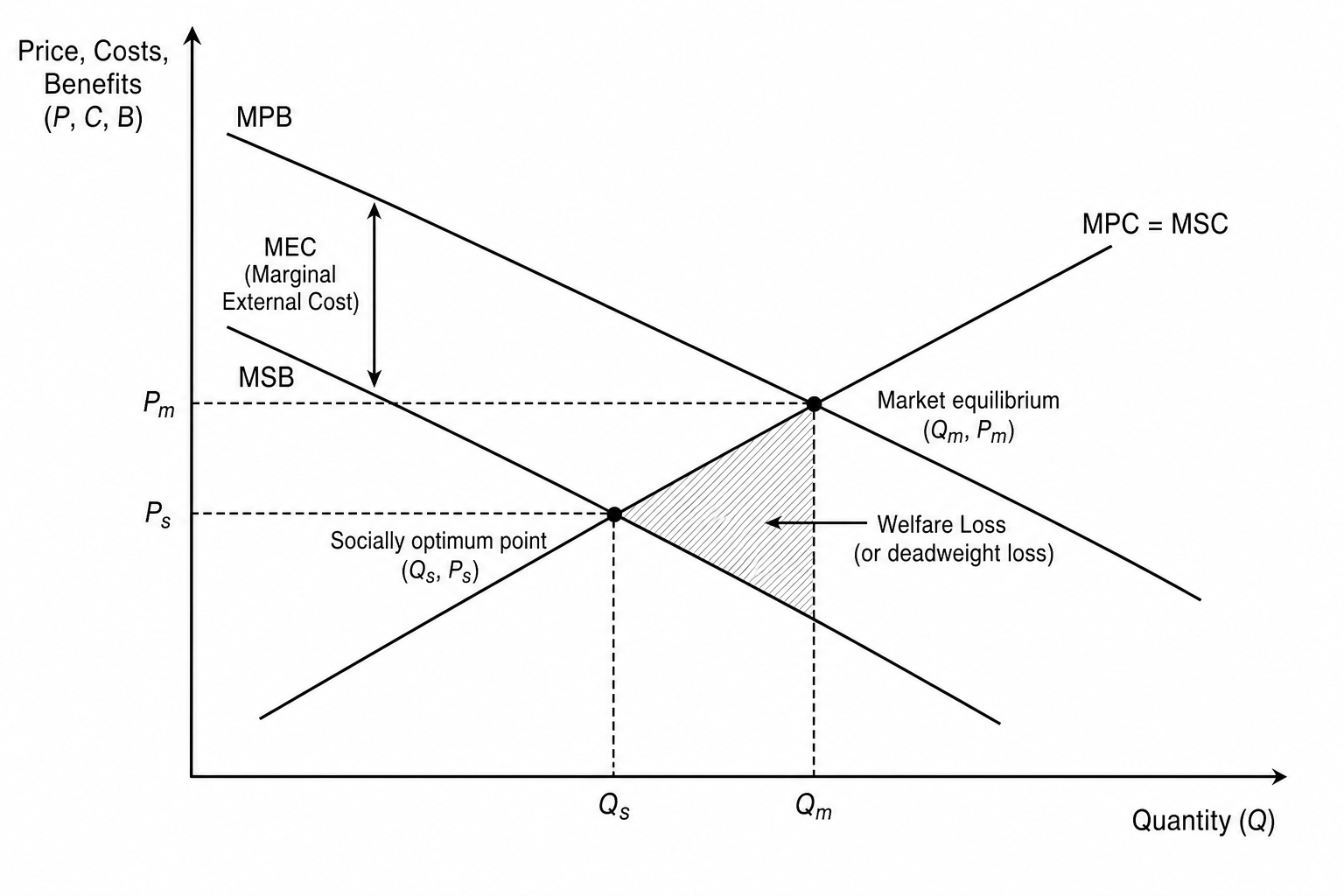
Evaluate methods of government intervention which could be used to reduce the market failure associated with single-use disposable electronic cigarette (vape) waste. Use a market failure diagram to support your answer.
| 2017 | 2018 | 2019 | 2020 | 2021 | 2022 | 2023 | 2024 |
|---|---|---|---|---|---|---|---|
| 1.2 | 3.5 | 8.9 | 15.6 | 28.4 | 19.1 | 10.5 | 4.2 |
A statutory 50p charge on single-use vapes was first introduced in retail and online shops in 2020. This environmental charge was subsequently increased to £1.20 in 2023 and extended to all convenience stores and specialized vape retailers.
The UK Environment Minister stated that the environmental levy has successfully disrupted the thoughtless purchase and littering of millions of disposable plastic and lithium-battery devices, thereby reducing municipal waste volumes and generating millions of pounds in ring-fenced revenue to fund localized hazardous electronic recycling facilities. Without this policy, standard market mechanisms could not resolve the externality. Consumers have rapidly adjusted, with many switching to rechargeable and refillable vape systems.
In tandem with the levy, major electronic cigarette manufacturers have introduced pod deposit-return schemes and bulk refill stations in stores, giving consumers clear financial incentives to return spent capsules.
However, trade associations report that cost-conscious consumers remain hesitant to pay a premium upfront for rechargeable starter kits. With real disposable household incomes falling by 4.2% in 2023, sales of premium rechargeable pod systems are projected to drop from 350,000 to 220,000 units this year.
Electronic cigarette manufacturers have voiced concerns over the implementation of a new environmental tax on packaging and materials, warning it will drive up retail prices for average consumers.
The manufacturing tax, introduced in 2023, is designed to incentivize firms to use recycled materials and removable battery structures in their design lines. Under the regulations, any business importing or manufacturing disposable e-cigarettes containing non-removable lithium batteries or less than 50% recycled plastic faces a tax of £2.50 per unit. Devices exceeding this 50% recycled threshold and featuring easily removable batteries are completely exempt from the levy.
Helene Dupont, Chief Executive of the National Vape Trade Coalition, noted that passing the added tax burden onto consumers is an inevitable consequence of the legislation: "This creates severe cost-push pressures right through our complex importing, logistics, and assembly supply chains. Smaller independent vape shops will struggle to absorb these costs." A diverse group of importers and packaging firms are affected, particularly because disposable single-use systems represent approximately 45% of the total electronic nicotine delivery systems (ENDS) market in the UK.
An estimated 5 million single-use vapes are thrown away across the country each week, generating nearly 10,000 tonnes of hazardous electronic and plastic packaging waste annually. Academic research indicates that while a 40p surcharge on single-use disposable vapes successfully drives consumers toward reusable alternatives, a corresponding 40p discount on eco-friendly rechargeable kits has a negligible effect on consumer habits.
Specifically, a 40p surcharge on single-use vapes increases the utilization of rechargeable kits by 5.8%. Introducing simple environmental nudges in public and workplace social areas—such as clear prompts, posters, and dedicated battery disposal bins—increases reusable kit adoption by 3.6%. Ensuring that rechargeable pod starter kits are easily purchasable at point-of-sale displays boosts adoption by 2.8%, whereas distributing free rechargeable starter kits to existing users results in a substantial 8.2% increase.
"While individual measures trigger relatively modest behavioral shifts, combining financial penalties with informational and physical choice architecture changes yields the most significant reduction in hazardous single-use waste," concluded Wouter Poortinga, Professor of Environmental Psychology.