Question 5
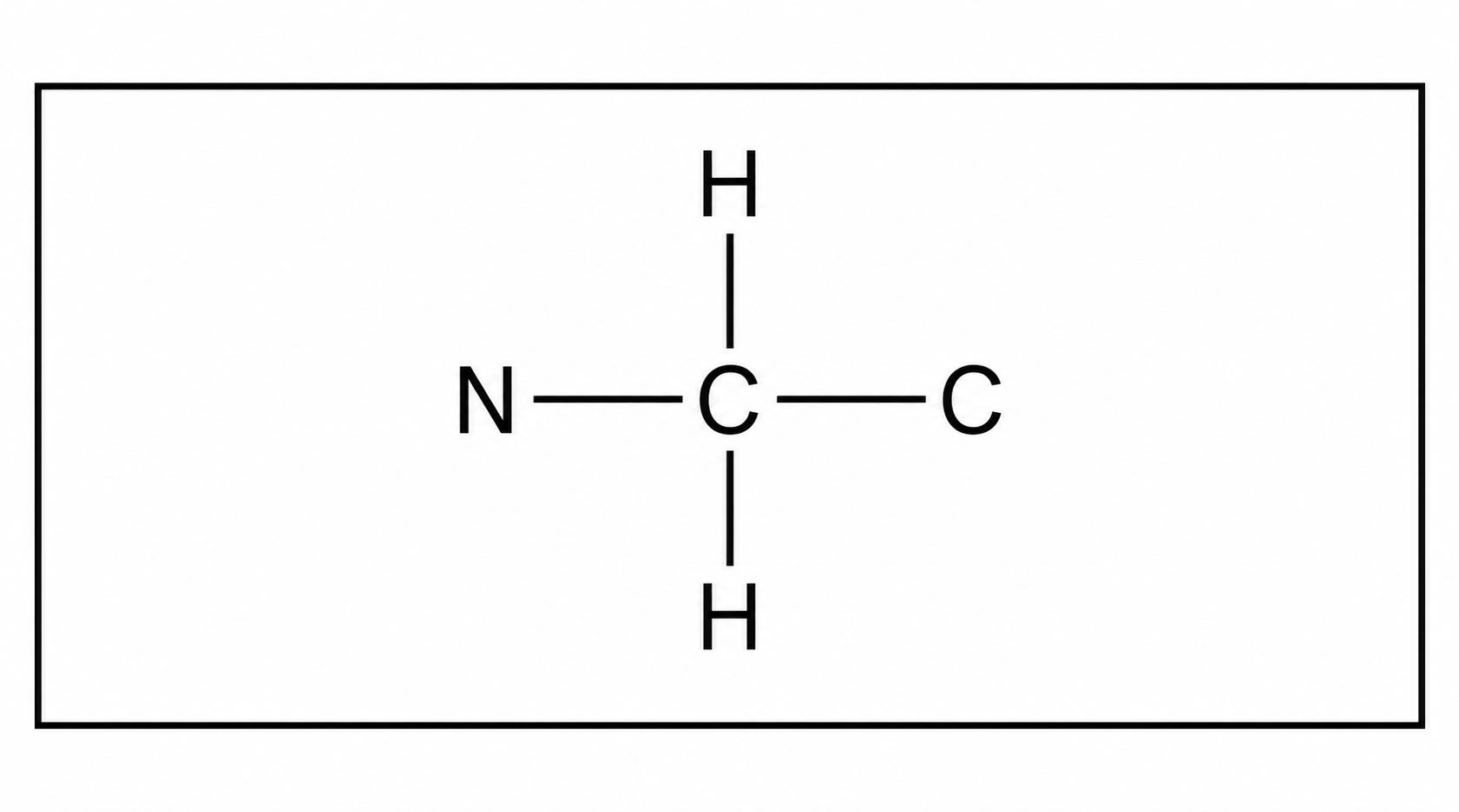
HGlycine is an amino acid. The formula of glycine is H2NCH2COOH\text{H}_2\text{NCH}_2\text{COOH}H2NCH2COOH.
The figure shows an incomplete displayed structural formula of glycine.
Figure: An incomplete displayed structural formula of glycine
a.[2]
Complete the figure to show the displayed structural formula of glycine.
b.[2]
Name the two functional groups in glycine.
c.[1]
Name the polymer produced when many glycine molecules polymerise together.
7.3 Synthetic and naturally occurring polymers Questions
40 exam-style questions on AQA GCSE Chemistry 7.3 Synthetic and naturally occurring polymers, covering 7.3.1 Addition polymerisation, 7.3.2 Condensation polymerisation, 7.3.3 Amino acids, and 7.3.4 DNA (deoxyribonucleic acid) and other naturally occurring polymers. Each one has a worked solution and a mark scheme showing where the marks go.