Are the walls closing in on UK boutique leisure brands?
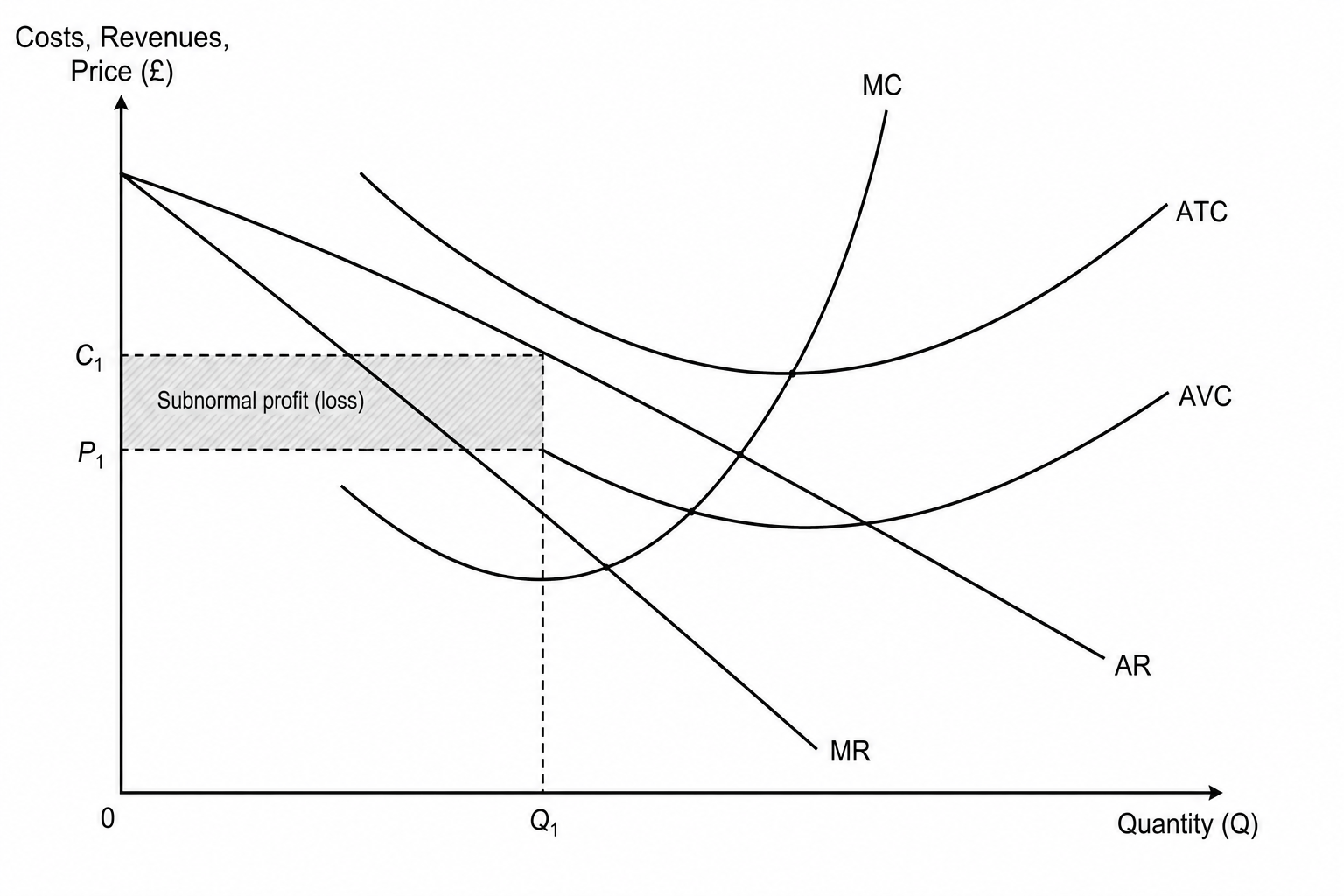
Climbing World, a prominent UK indoor climbing brand, enjoyed supernormal profits of £5–10 million annually until 2022. Following a debt-leveraged buyout by a venture capital firm, the chain embarked on rapid expansion, raising membership fees while neglecting facility maintenance. By 2025, hit by skyrocketing energy costs (heating and lighting large warehouse spaces) and a 15% fall in monthly active subscribers, Climbing World was sold for a nominal £1 to a restructuring firm. Over 60% of its facilities are now operating at a loss, desperately seeking rent concessions as high street landlords refuse to lower commercial rates.
The leisure and fitness sector has seen widespread distress, with electricity bills rising by 40% and staffing costs surging due to national minimum wage hikes. Meanwhile, squeezed disposable household incomes have led consumers to cancel discretionary memberships in favour of cheaper outdoor activities or standard public facilities.
Question
Discuss the factors causing many boutique leisure facilities, such as indoor climbing gyms, to experience subnormal profits or face shut down. Use a cost and revenue diagram to support your answer.