Familial neurohypophyseal diabetes insipidus is a disease caused by a mutation in the gene encoding antidiuretic hormone (ADH), leading to a change in its amino acid sequence. This change prevents ADH from binding to its receptor.
Explain why this change prevents ADH binding to its receptor.
Figure 1 shows the intracellular pathway in collecting duct cells that regulates water reabsorption.
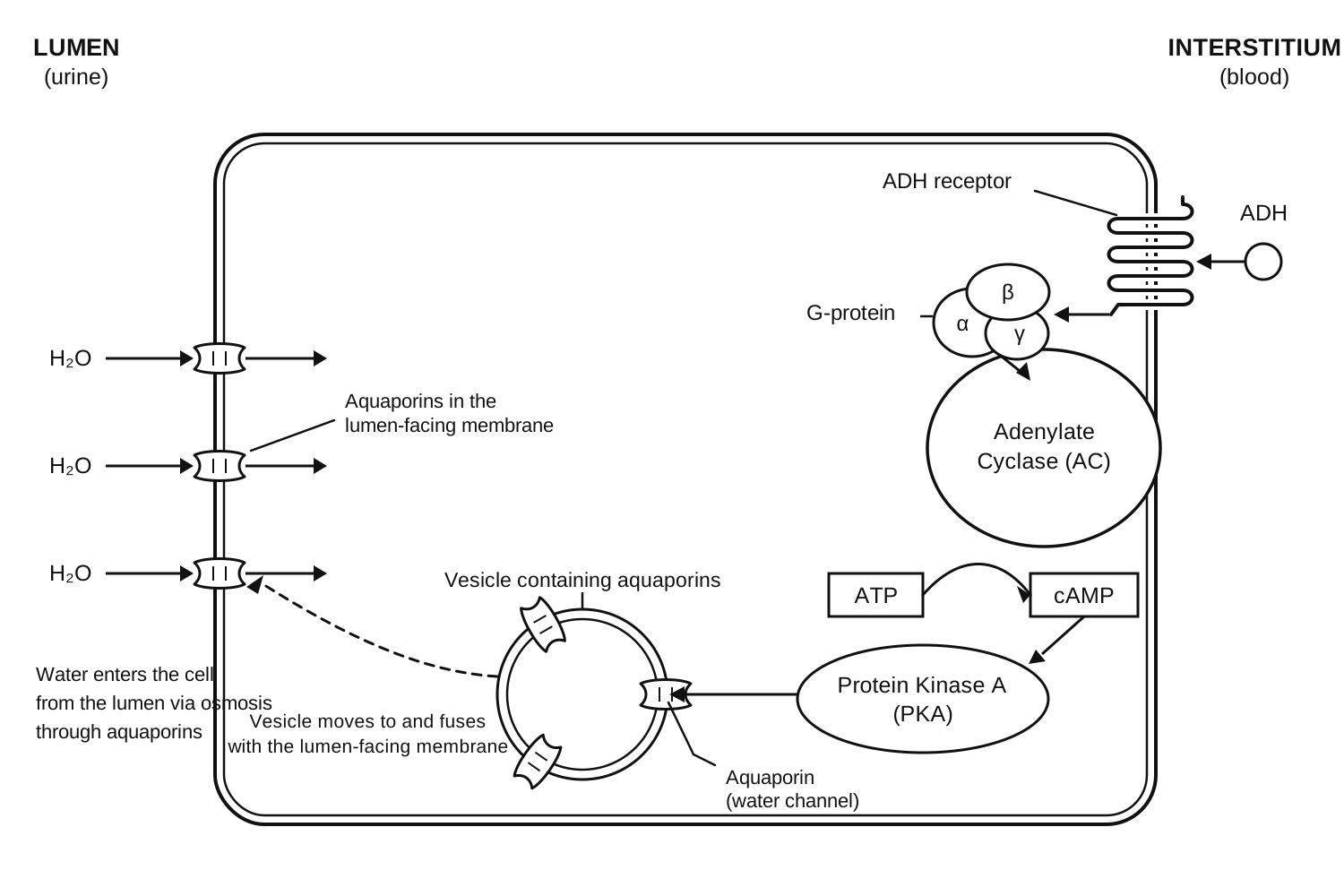
A drug that inhibits the activity of Adenylate Cyclase (AC) can cause nephrogenic diabetes insipidus, resulting in the excretion of a high volume of dilute urine.
Use Figure 1 to explain why.
Renal glycosuria is a condition where glucose is excreted in the urine, even though blood glucose levels are normal. It is caused by a mutation in the gene for SGLT2 sodium-glucose co-transport proteins.
Using your knowledge of the kidney, explain why glucose is found in the urine of a person with renal glycosuria.
Practise AQA A Level Biology Homeostasis is the maintenance of a stable internal environment (A-level only) with exam-style questions for A Level Biology. 21 questions covering Principles of homeostasis and negative feedback (A-level only), Control of blood glucose concentration (A-level only), and Control of blood water potential (A-level only), matched to the AQA A Level Biology (7402) specification and written in Paper 1, Paper 2 and Paper 3 style. Every question includes a full worked solution and mark scheme, so you can see where marks are awarded rather than just whether you got the answer right.

