Question 38
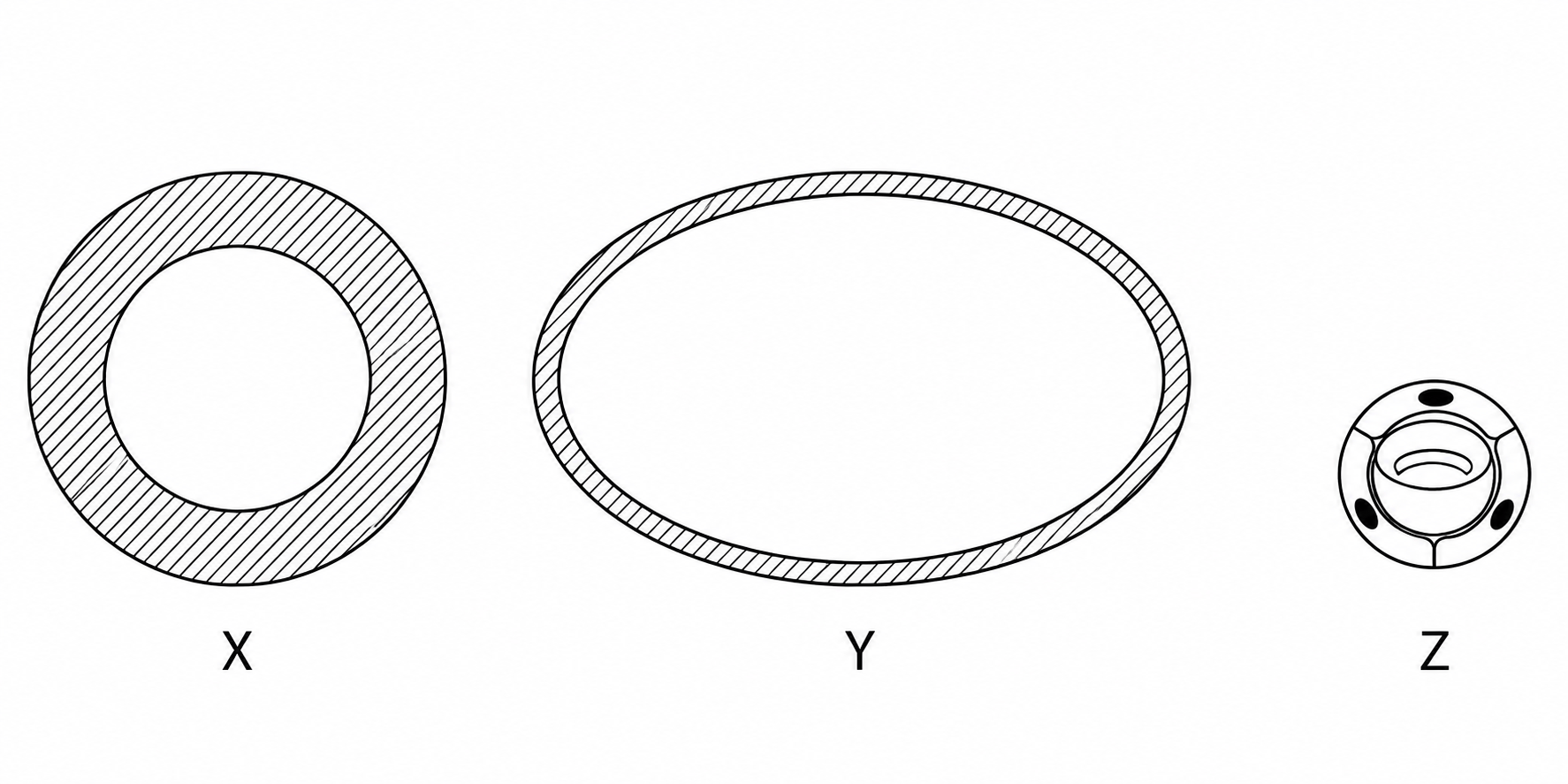
FThe Figure shows cross-sections of three types of blood vessel, X, Y and Z. They are not drawn to the same scale.
Figure
a.[2]
Identify which vessel, X, Y or Z, is an artery.
Give one reason for your answer from the Figure.
b.[2]
The wall of vessel Z is only one cell thick.
Explain why this is important.
c.[1]
Give one reason why veins contain valves.
2.2 The challenges of size Questions
114 exam-style questions on OCR GCSE Biology 2.2 The challenges of size, covering 2.2.1 Exchange surfaces and surface area : volume ratio, 2.2.2 Substances transported in organisms, 2.2.3 The human circulatory system, 2.2.4 The heart and blood vessels, 2.2.5 Red blood cells and plasma, 2.2.6 Uptake of water and mineral ions by plants, 2.2.7 Transpiration and translocation, 2.2.8 Xylem and phloem, 2.2.9 Environmental factors and water uptake, and 2.2.10 Using a potometer. Each one has a worked solution and a mark scheme showing where the marks go.