A group of ecologists studied the Highland midge (Culicoides impunctatus) and the blackfly (Simulium species).
The larvae of midges and blackflies live in wet soil habitats. They compete with each other for decaying organic matter.
Diving beetles are active predators that feed on both midge larvae and blackfly larvae.
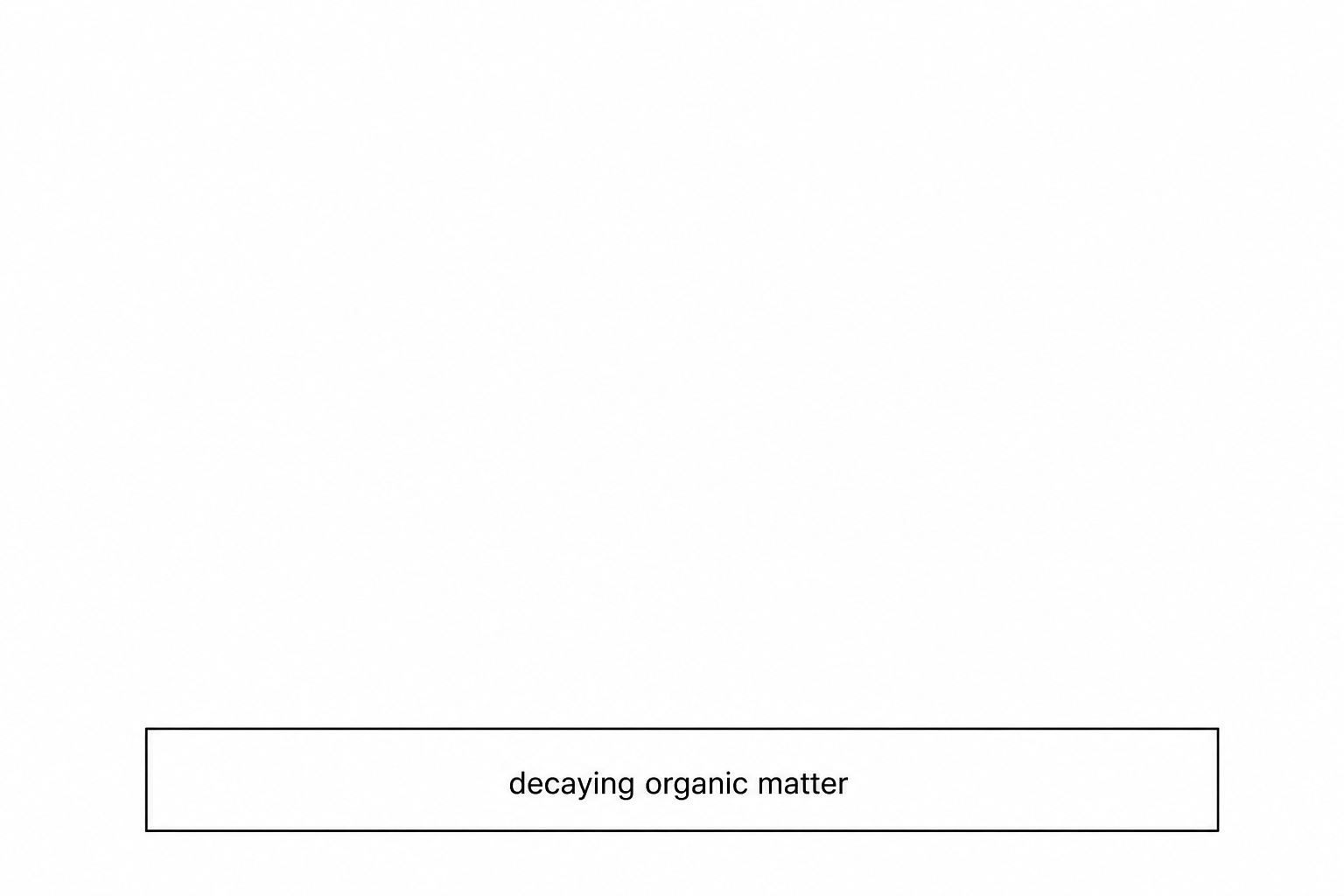
Complete the pyramid of biomass for these feeding relationships, starting from the base provided in the diagram below:
Adult female midges normally feed on sugar-rich plant nectar. However, when eggs are developing inside them, they seek out hosts to feed on their blood.
Suggest why the female midges show different feeding behaviour when they develop eggs.
Before feeding, female midges inject saliva containing proteins that block pain receptors in the host's skin. Suggest how blocking these sensory receptors helps the midge.
After the midge has finished feeding, the host's immune system responds against the salivary proteins. Antibodies are produced.
Describe how antibodies help the host's body destroy these proteins.
Scientists are investigating biological control methods to reduce midge numbers.
They found a symbiotic protozoan species living in the gut of the midge larvae that digests cellulose for them, while the midge provides a sheltered, nutrient-rich habitat.
What name is given to this type of relationship shown by the midge larvae and the protozoan?
The scientists have developed a biological toxin that only becomes active in high pH (alkaline) environments.
Explain why this toxin could kill the midge larvae but not harm other species of aquatic insect larvae whose guts are acidic (low pH).