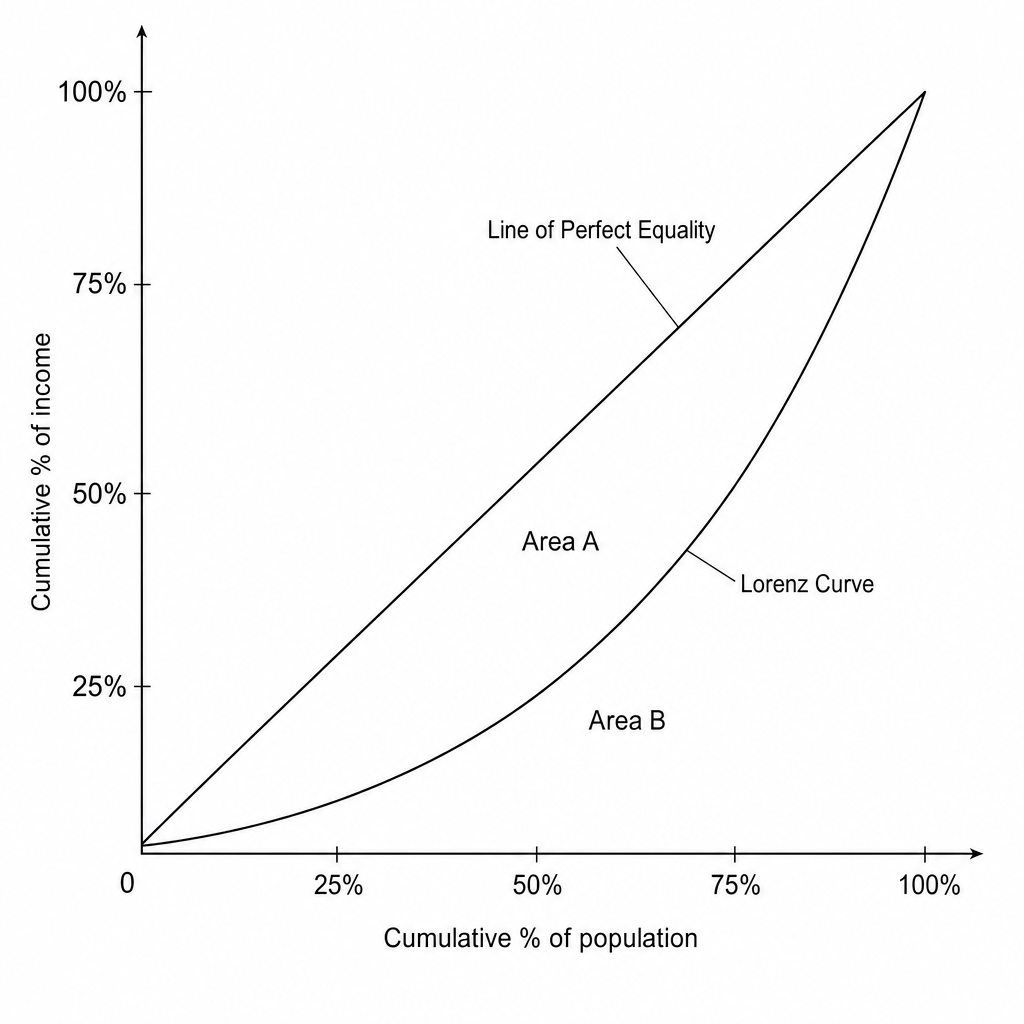
Geographically, Italy exhibits significant regional income inequality, particularly marked by a historic North-South divide. According to data from the Italian National Institute of Statistics (Istat), the country’s national Gini coefficient for disposable income stands at 0.35. Several structural factors contribute to this disparity. First, human capital development is highly unequal; young people in poorer southern regions face lower educational and career opportunities. In Calabria, for example, only 22% of young adults from disadvantaged backgrounds transition into high-skill employment or tertiary education, compared with 54% of their peers in the northern region of Lombardy.
Secondly, public infrastructure spending is heavily concentrated in the industrial North. In recent years, approximately 38% of national public funds allocated to high-speed rail network development was concentrated exclusively in the northern regions of Lombardy, Piedmont, and Veneto. Proponents argue that investment must target high-density economic corridors, yet this leaves southern regions lagging behind in connectivity and investment appeal.
Economists argue that these deep-seated inequalities cannot be resolved swiftly through isolated interventions. Regional disparities in structural transport links, local school funding, and regional development initiatives can compound over generations. To bridge these gaps, some policymakers suggest long-term devolution strategies, prioritizing sustained education funding over immediate business subsidies in the South.
Using a Lorenz curve diagram, explain how income inequality is measured using the Gini coefficient. Refer to Extract A in your answer.