Arthur and his classmates are 17-year-olds learning to play competitive chess. Some of his classmates are studying advanced opening theory books, while others are practicing rapid tactile blitz games for an upcoming tournament. Elena won both her theoretical tactics exam and her practical rapid tournament on her first attempt, whereas Tariq failed his first and second attempts at the written tactics paper.
Arthur loves watching professional chess grandmasters streaming online, and his favourite grandmaster won a major international tournament last year. Arthur loves playing at the local community chess club, where his grandfather coaches him and praises his strategic moves warmly. He recently won a local junior championship. However, in his first official timed tournament, Arthur lost his match because he made moves far too quickly under time pressure.
Until the next tournament, Arthur is practicing team-based pair chess with Elena. Elena keeps forgetting specific endgame theoretical lines, so she has to use a chess database app on her phone to guide their analysis.
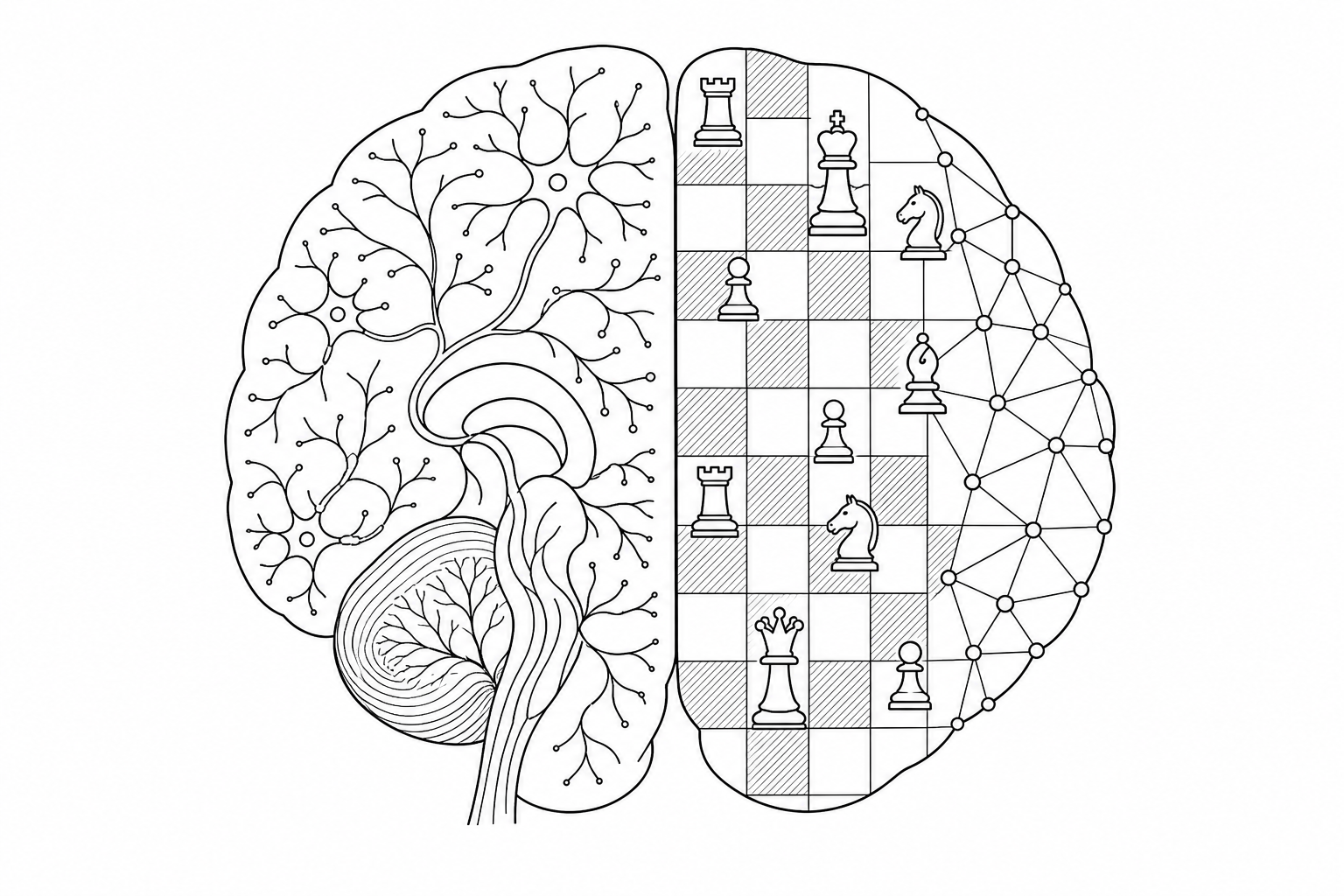
Evaluate the extent to which human behaviour, such as the ability to learn and play competitive chess, can be explained by biological psychology.
You must make reference to the context in your answer.
Practise Edexcel A Level Psychology Issues and debates with exam-style questions for A Level Psychology. 147 questions covering Issues and debates, matched to the Edexcel A Level Psychology (9PS0) specification and written in Paper 1, Paper 2 and Paper 3 style. Every question includes a full worked solution and mark scheme, so you can see where marks are awarded rather than just whether you got the answer right.

