Following rapid advancements in generative artificial intelligence and corporate automation, many service-heavy metropolitan areas have experienced a significant decline in clerical and administrative employment. To address this, policymakers are debating two supply-side interventions: a 'Corporate Retraining Tax Credit' where firms receive a 150% tax deduction on the cost of upskilling administrative staff into data and software-specialist roles, and the direct public funding and operation of 'Vocational Technology Academies' offering free, certified digital skills diplomas to displaced workers.
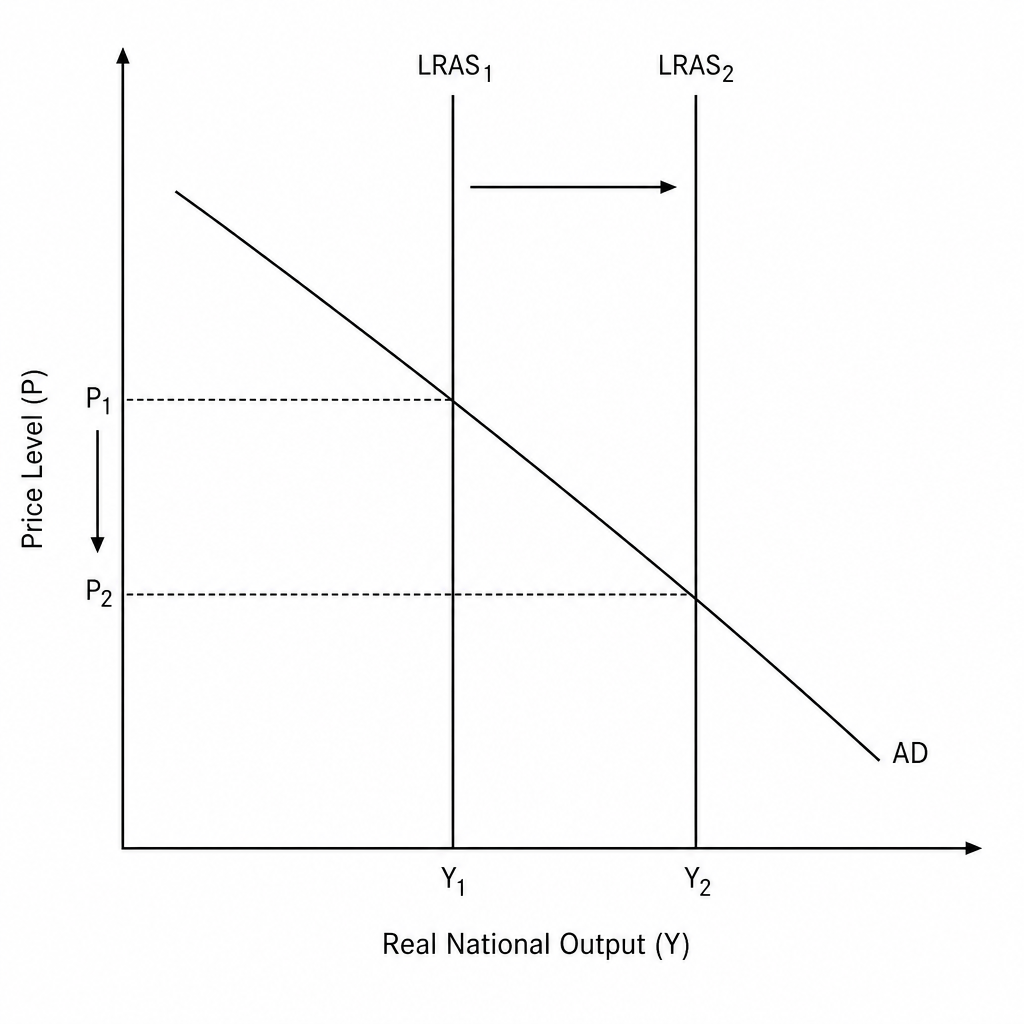
Evaluate, with the aid of an appropriate diagram(s), whether market-based tax incentives for private sector retraining or the direct public provision of vocational education is likely to be more effective in reducing structural unemployment in automation-affected regions.