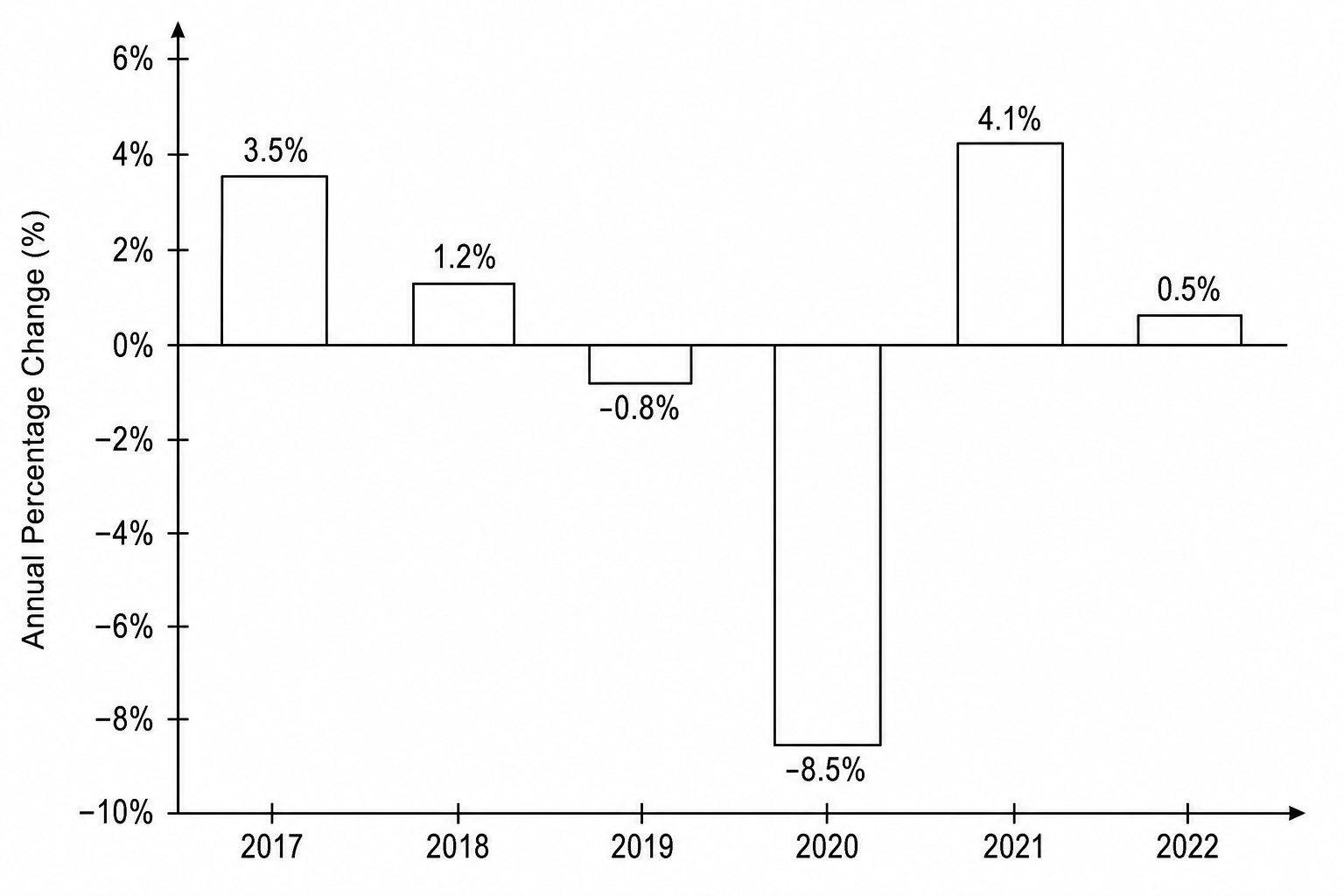
For the first time since the pandemic shock, the Canadian economy contracted by 0.1% in the first quarter of last year. This mild contraction was driven by weaker-than-expected activity in construction, housing markets, and wholesale trade.
Business investment has historically lagged behind other major OECD nations, but it is currently exceptionally subdued in Canada. Firms remain highly risk-averse when deciding on capital projects due to persistent economic uncertainty and rising domestic borrowing costs. Growth in investments, particularly in resource development, factory machinery, and digital software, has stagnated.
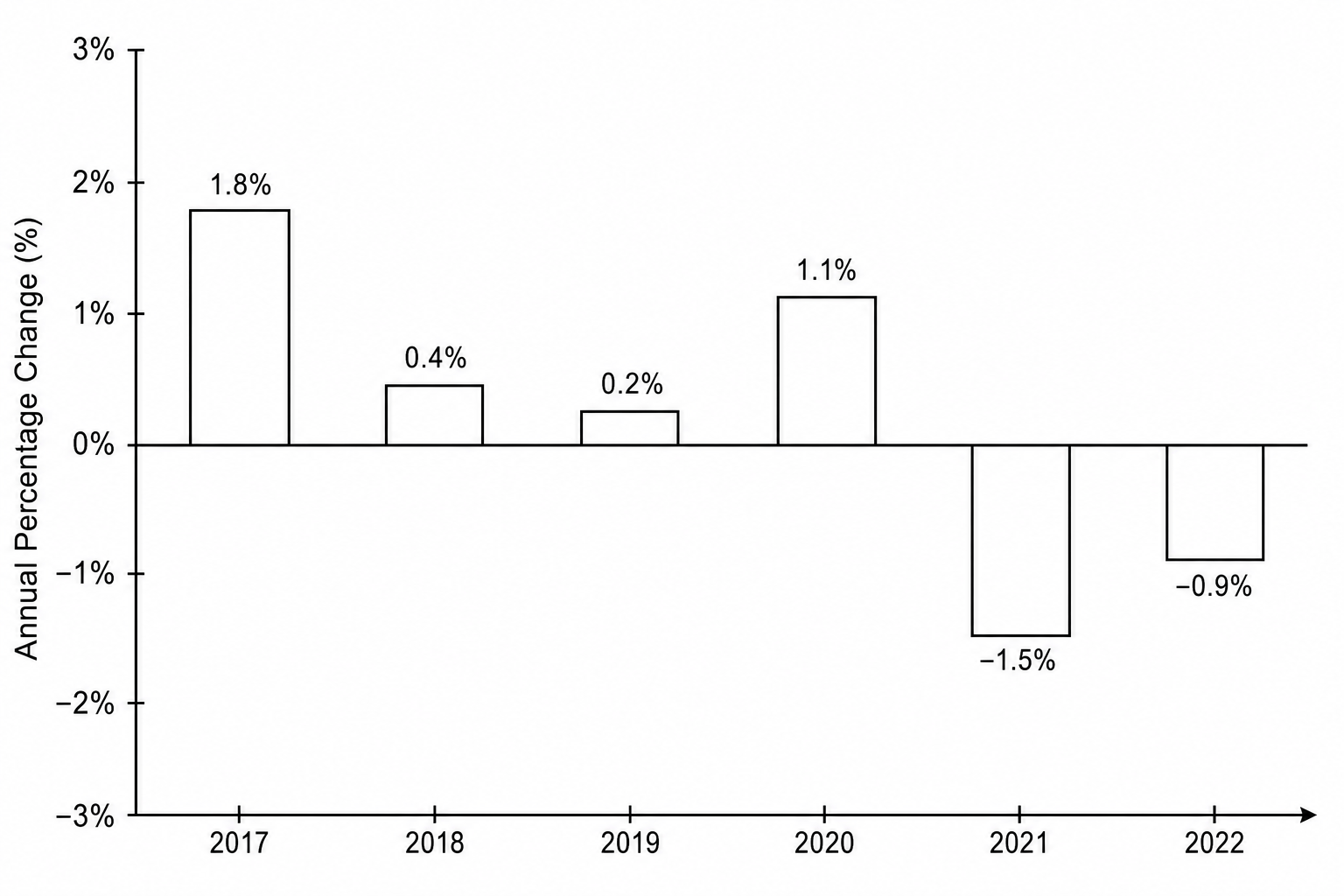
Labour productivity growth fell by 0.9% in 2022, compounding consecutive drops in late 2021. This decline in productive efficiency is a serious concern, especially since it coincides with an exceptionally tight labour market. The national unemployment rate declined from 7.2% in 2017 to 5.0% in late 2022, yet output per hour worked continues to slide.
Canada’s potential growth has been constrained by weak technological adoption and low-intensity capital investment. Moreover, regulatory and trade frictions have discouraged multinational firms from committing to long-term projects. Without some form of targeted catalyst to revive business confidence and productivity, trend growth in real GDP is likely to stall, depressing future wage growth and household living standards.
On the other hand, high commodity prices have cushioned export revenues in the energy-rich western provinces. Strong immigration flows have also expanded the labour force and sustained aggregate demand in rental housing and basic services.
Consumer expenditure remains a crucial pillar of the domestic economy, supported by high employment. However, many economists warn that 'the Canadian economy is highly vulnerable to a technical recession' as highly indebted households face refinancing their mortgages at much higher rates. Government spending has supported the economy, but fiscal authorities are under pressure to balance anti-inflationary discipline against the need to support struggling sectors.
Evaluate the fiscal policies the Canadian Government could use if it believes that 'the Canadian economy is highly vulnerable to a technical recession' (Extract A).

