The activation synthesis theory
Activation-synthesis theory
Activation-synthesis theory is Hobson and McCarley's explanation of dreaming. It says a dream is the cortex's attempt to make sense of random neural activity produced during REM sleep.
- Hobson and McCarley (1977) put this forward as a biological answer to why we dream.
- The theory has two stages: activation, the random firing of neurons during REM sleep, and synthesis, the cortex making that firing into something that hangs together.
- The dream you remember is the product of that second stage, so the meaning in it was added by your own brain after the activity started.
- The activation begins low down in the brainstem and spreads upwards, and the synthesis is what the cerebral cortex then does with it.
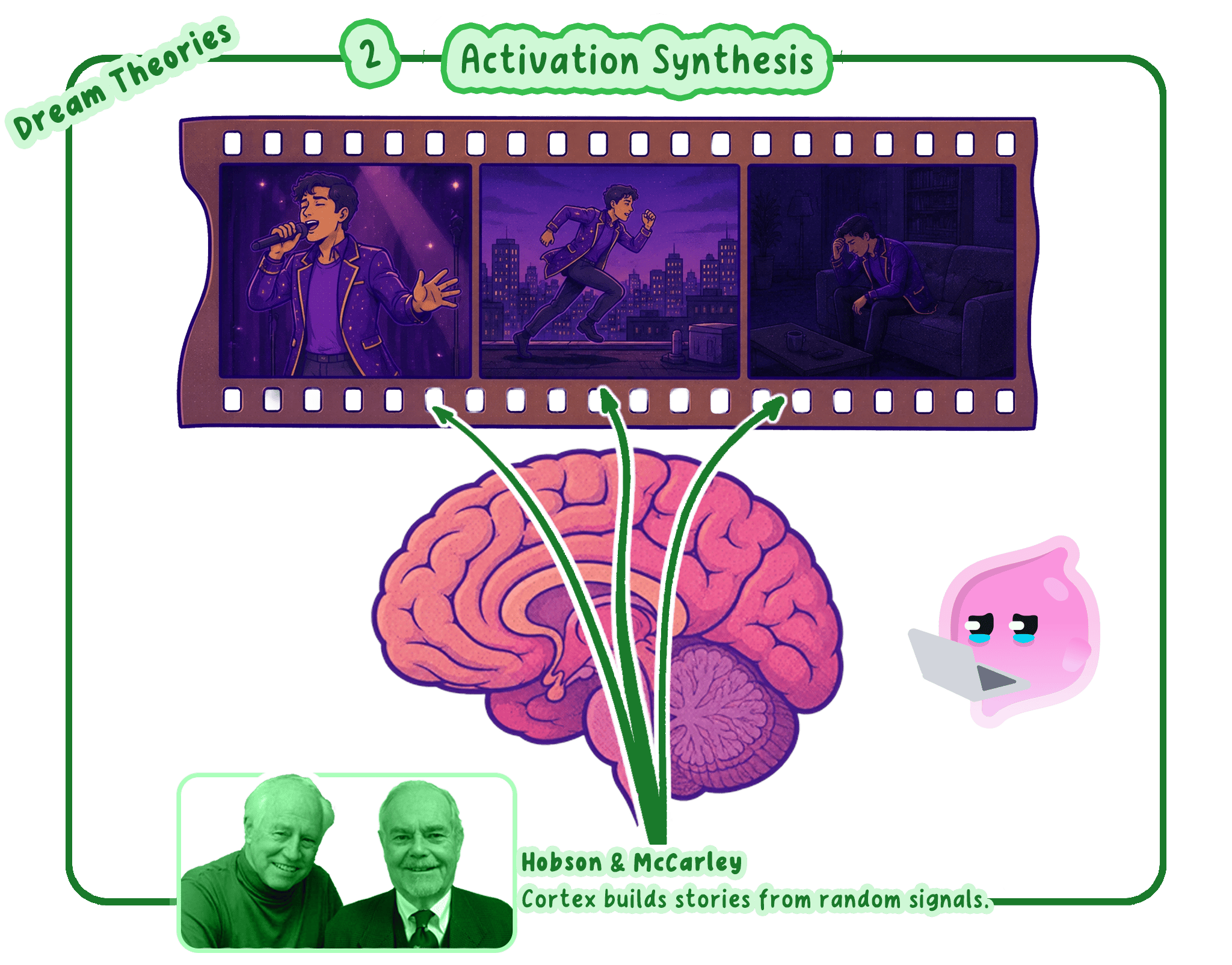
- Neurons low in the brainstem fire in bursts during REM sleep with no signal arriving from outside the body.
- That activity spreads up through the thalamus and the limbic system, so images and emotion are produced with no event behind them.
- The cortex then builds a storyline out of that incoming activity using stored memories, and that storyline is the dream you remember on waking.
The role of REM sleep
REM sleep
Rapid eye movement sleep: a stage in which the eyes dart about and the brain is highly active, when most dreaming happens, while the body's muscles stay relaxed and still.
- REM stands for rapid eye movement, and it is the stage that closes each loop of the sleep cycle.
- The eyes dart about under the lids while the brain becomes nearly as active as it is when you are awake.
- Restoration of the brain takes place during REM, which is one reason a night with little REM leaves you feeling unrested.
- The muscles of the body go limp and you are effectively paralysed, so however much movement there is in the dream, you lie still.
- REM periods get longer towards morning, so most of your dreaming time falls in the second half of the night.
- Most dreaming happens in REM, the same stage as the random activity the theory describes.
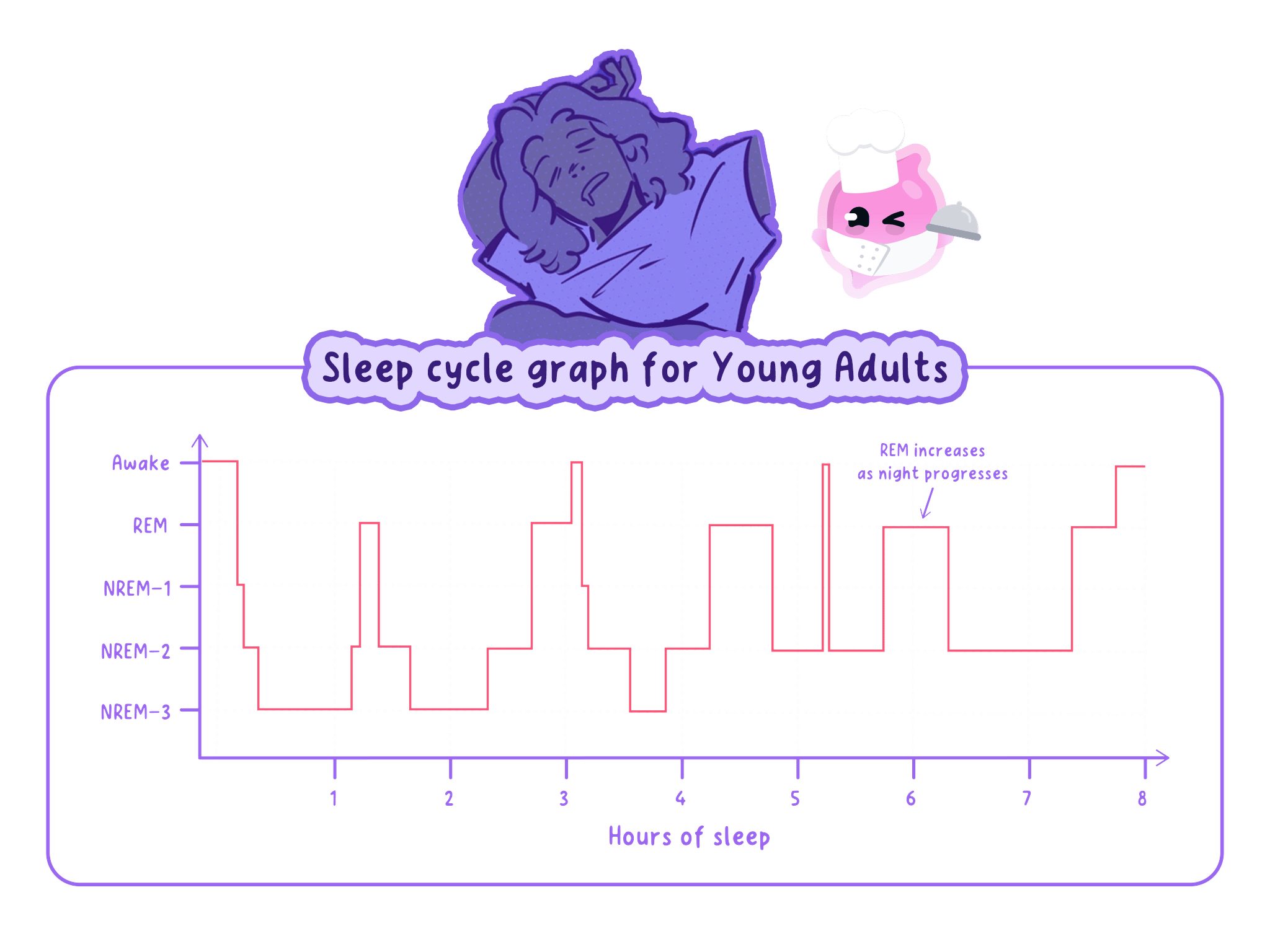
- Dreaming does not sit in deep non-REM sleep on this account, because the theory ties dreaming to REM.
- Dreams carry no meaning of their own on this account, because the content starts as random activity and the meaning is imposed afterwards.
The brain during sleep
Thalamus
The thalamus is a structure deep inside the brain that relays sensory and motor signals on to the cortex. During REM sleep it helps generate the vivid imagery you experience in a dream.
- Sensory information from outside does not reach the brain areas that normally interpret it, so the room you are lying in never appears in the dream.
- The thalamus keeps relaying signals inside the brain, and that internal traffic is where a dream's images and sensations come from.
- With nothing arriving from the senses there is no way to check the activity against the real world, which is why a dream feels real while it is happening.
- You dream you are back in the exam hall, with rows of desks, a clock on the wall and an invigilator walking the aisle.
- Those images are put together from internal activity rather than from anything in your bedroom.
- You accept the whole scene without question, because nothing is coming in from outside to contradict it.
The limbic system
Limbic system
A network of structures deep in the brain, including the hippocampus and amygdala, involved in processing emotion, learning and memory.
- The limbic system is the set of structures deep in the brain that deal with emotion and memory.
- It stays active right through REM sleep, so emotion is being generated at the same time as the random activity.
- Random activation reaching the limbic system produces feeling with no event behind it, which is why dreams are emotional.
- The hippocampus sits within the limbic system and deals with memory, which is where the familiar faces and places in a dream come from.
- The emotion and the memories arrive together but at random, so the feeling in a dream can change within a few seconds.
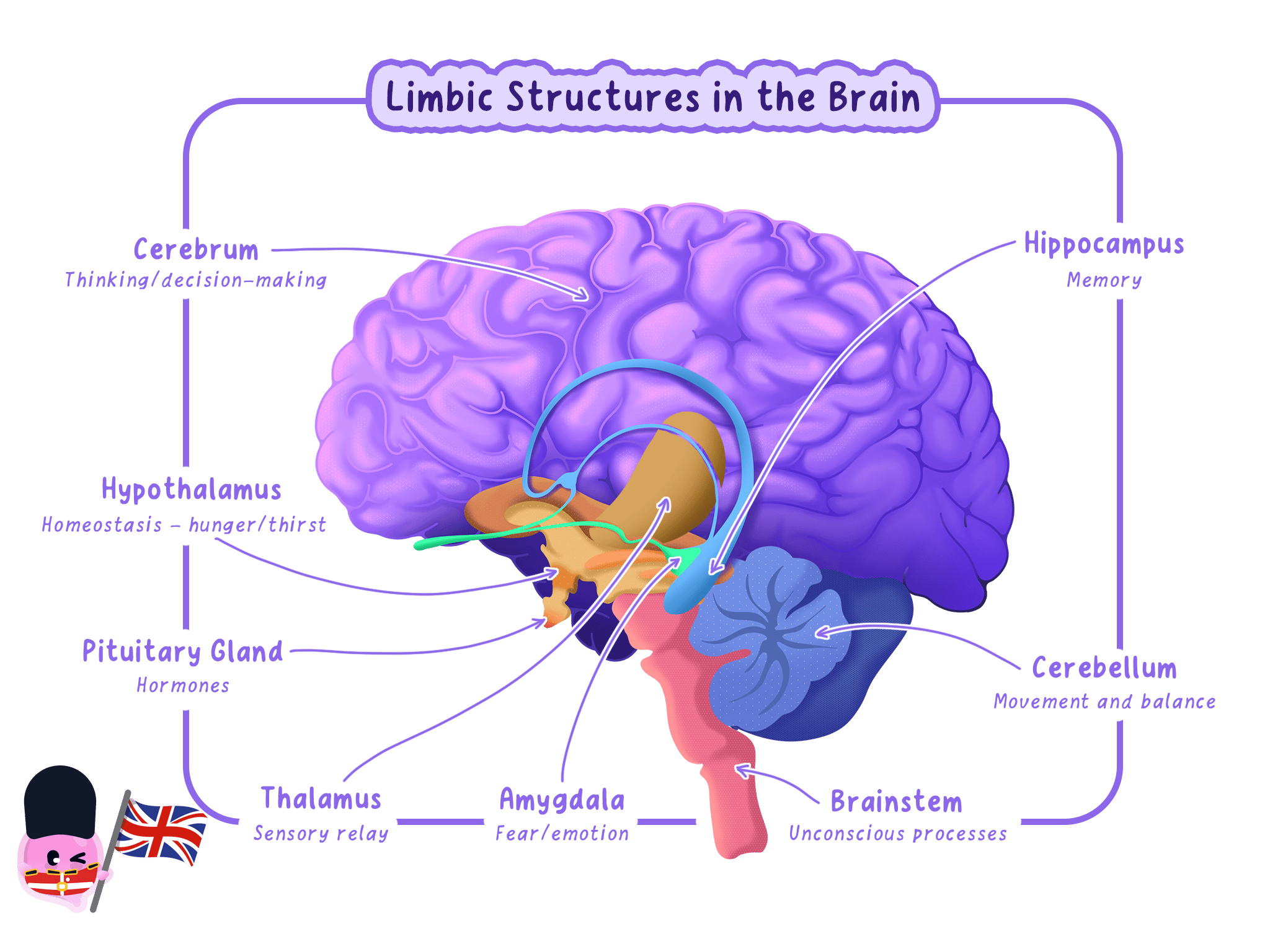
- The amygdala and the hippocampus are not alternatives to the limbic system, because both are parts of it.
- The thalamus supplies the imagery, and the limbic system is what supplies the emotion.
The amygdala
Amygdala
An almond-shaped structure deep in the brain that attaches emotion to memories, so events that are frightening or exciting tend to be remembered strongly.
- The amygdala is part of the limbic system, and it is the structure that attaches emotion to what you experience.
- It is especially involved in fear, so activation reaching it produces alarm with no threat anywhere near you.
- Activation reaches the amygdala before the cortex builds the story, so a dream will supply something to be afraid of, such as being chased or falling.
- That order explains why the feeling in a frightening dream often stays with you after waking.
- Random here means the firing is not set off by anything outside the body, rather than that absolutely anything could turn up in a dream.
- The cortex is doing what someone does on catching a few stray notes and humming a whole tune around them.
- The memories the cortex reaches for are the sleeper's own, so two people's dreams differ even though the activation works the same way in both.
Turning this into marks
- When activation and synthesis are both asked for, make them genuinely separate rather than describing the random firing twice.
- Name the limbic system, or the amygdala within it, because writing that a brain area adds emotion does not secure the knowledge mark.
- The mark most often lost is tying dreaming to REM sleep without saying that the cortex builds the story out of random activity.
- What does REM stand for, and what is happening to the body during it?
- Why does the activation synthesis theory tie dreaming to REM sleep?
- What does the limbic system contribute to a dream?
- Which structure is the amygdala part of, and what does it do?
- Why does sensory information from outside not appear in your dreams?
