This article covers 3.1.3 Development of the AQA GCSE Psychology specification.
The Brain Starts as Simple Structures in the Womb
Definition
Maturation
The unfolding of development according to a genetically programmed timetable, so that abilities appear in a fixed order as the body and brain grow, largely regardless of practice.
- Your brain begins to form about three weeks after conception, long before you are born.
- A ridge of cells folds into a hollow neural tube, and that simple structure becomes your brain and spinal cord.
- From these simple beginnings the main structures of the brain gradually take shape.
Key Idea
- The order in which the brain is built is set by your genes, which is the nature side.
- Experience then shapes the finer connections, which is the nurture side.
Four Key Structures and What They Do
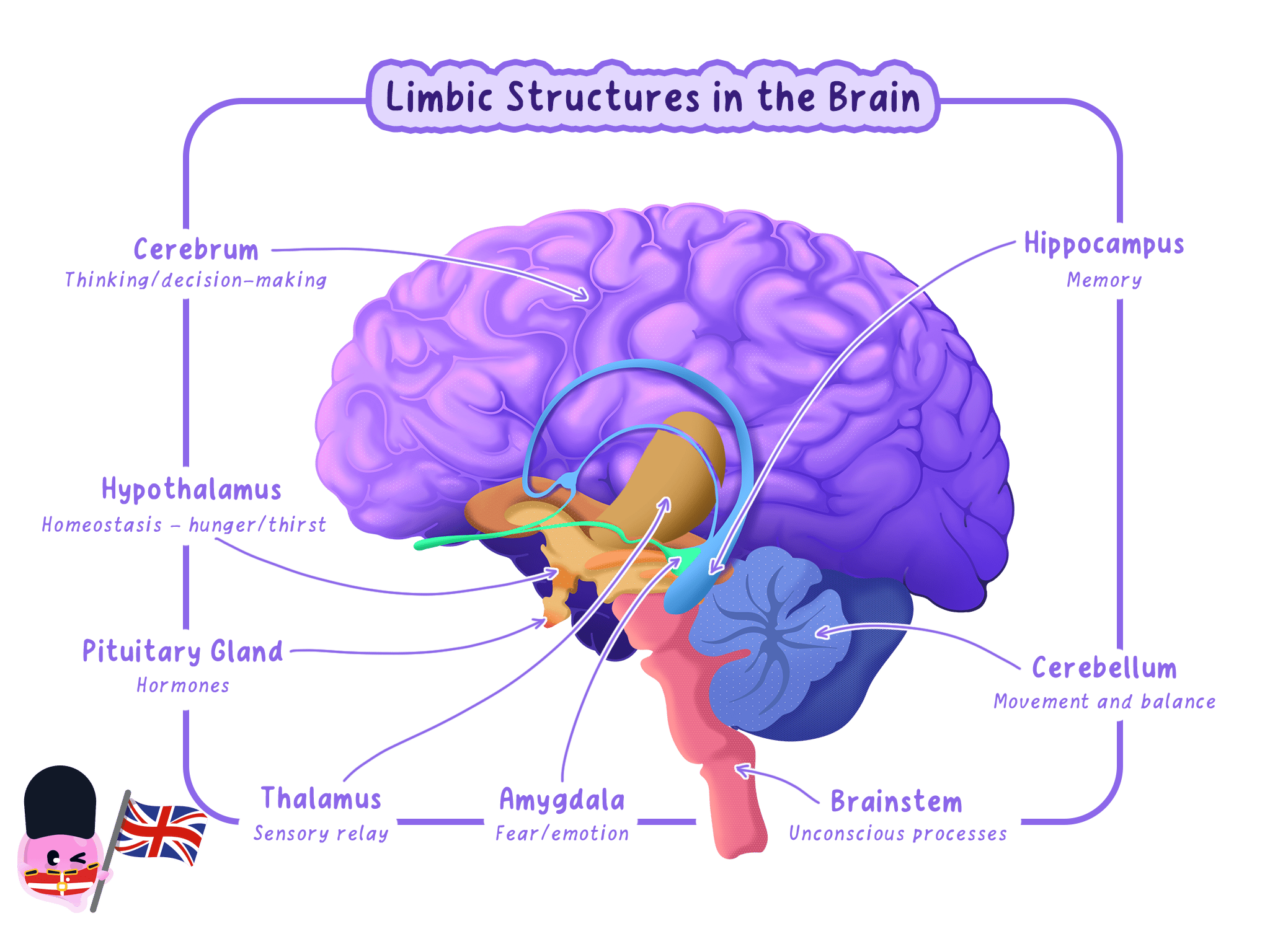
- Brain stem
- Controls autonomic functions that keep you alive without conscious thought, such as breathing and heartbeat.
- Thalamus
- Handles sensory processing, relaying incoming information from the senses on to the right part of the brain.
- Cerebellum
- Coordinates movement and balance, so actions become smooth and controlled.
- Cortex
- The outer layer that supports cognition: thinking, language, reasoning and planning.
The Brain Matures in a Set Order
- The brain stem matures first, because its autonomic functions have to work from the moment you are born.
- Structures handling sensory processing and movement, such as the thalamus and cerebellum, develop next, which is why a baby gains control of its body before it can reason.
- The cortex, especially the frontal cortex used for planning and self-control, is one of the last regions to finish and keeps maturing into your teens.
Example
- If you have ever acted on impulse and then thought, why on earth did I do that, part of the answer is biological.
- The frontal cortex that reins in impulsive choices is still maturing throughout your teenage years, so self-control is quite literally a work in progress.
The Roles of Nature and Nurture
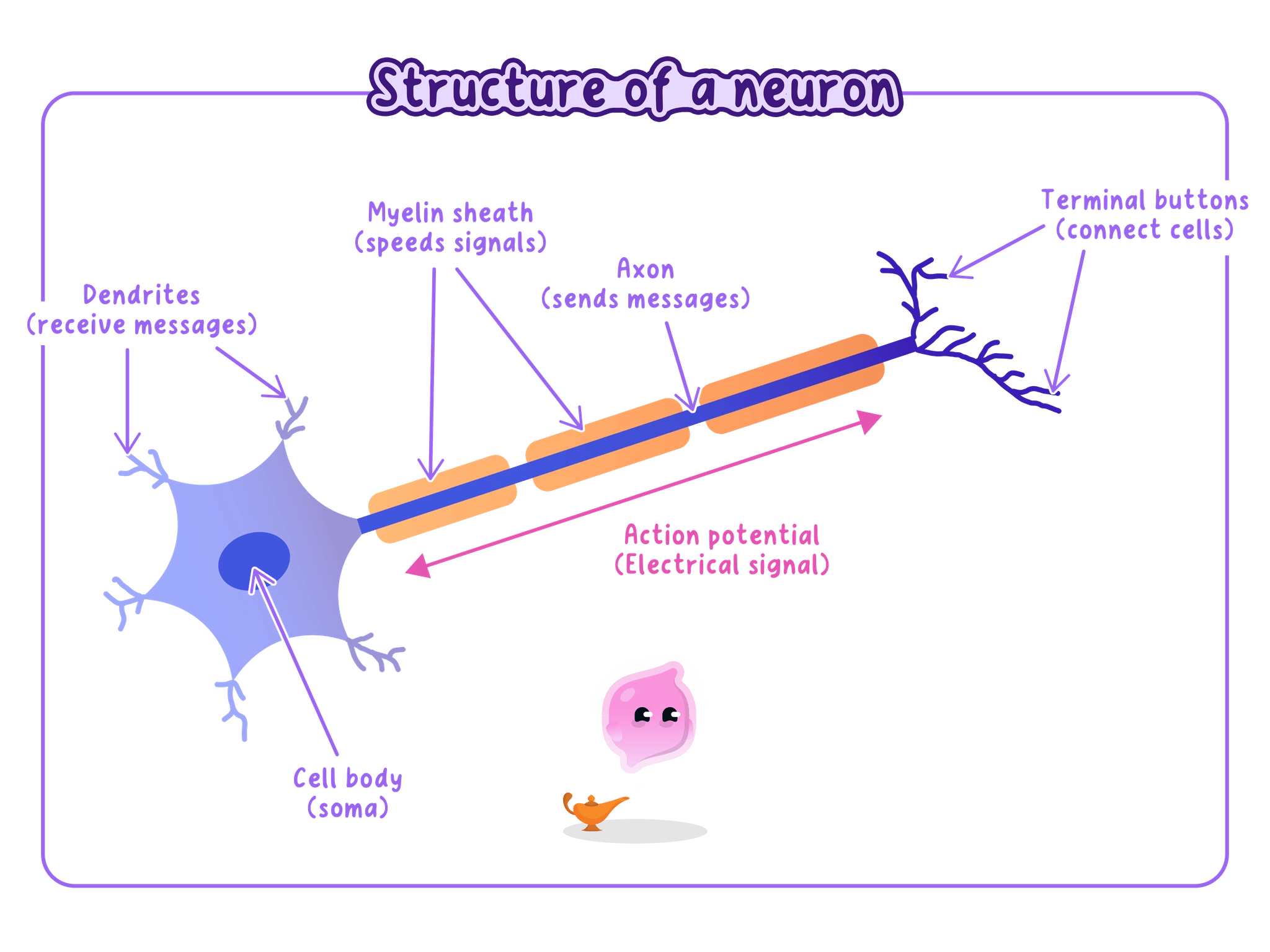
- You are born with almost every neuron you will ever have, and early growth is mainly about connecting them across tiny gaps called synapses.
- Nature sets the sequence in which the structures appear and mature, following a genetically programmed timetable.
- Nurture shapes which connections are strengthened, because the ones you use through experience are kept while unused ones fade.
- So early brain development is the physical foundation for later thinking, and both nature and nurture shape how it turns out.
Self review
- Name the four brain structures in this topic and one function of each.
- Which structure controls autonomic functions like breathing and heartbeat?
- Which region is one of the last to finish maturing, and what is it used for?
- Give one role of nature and one role of nurture in early brain development.