Question 7
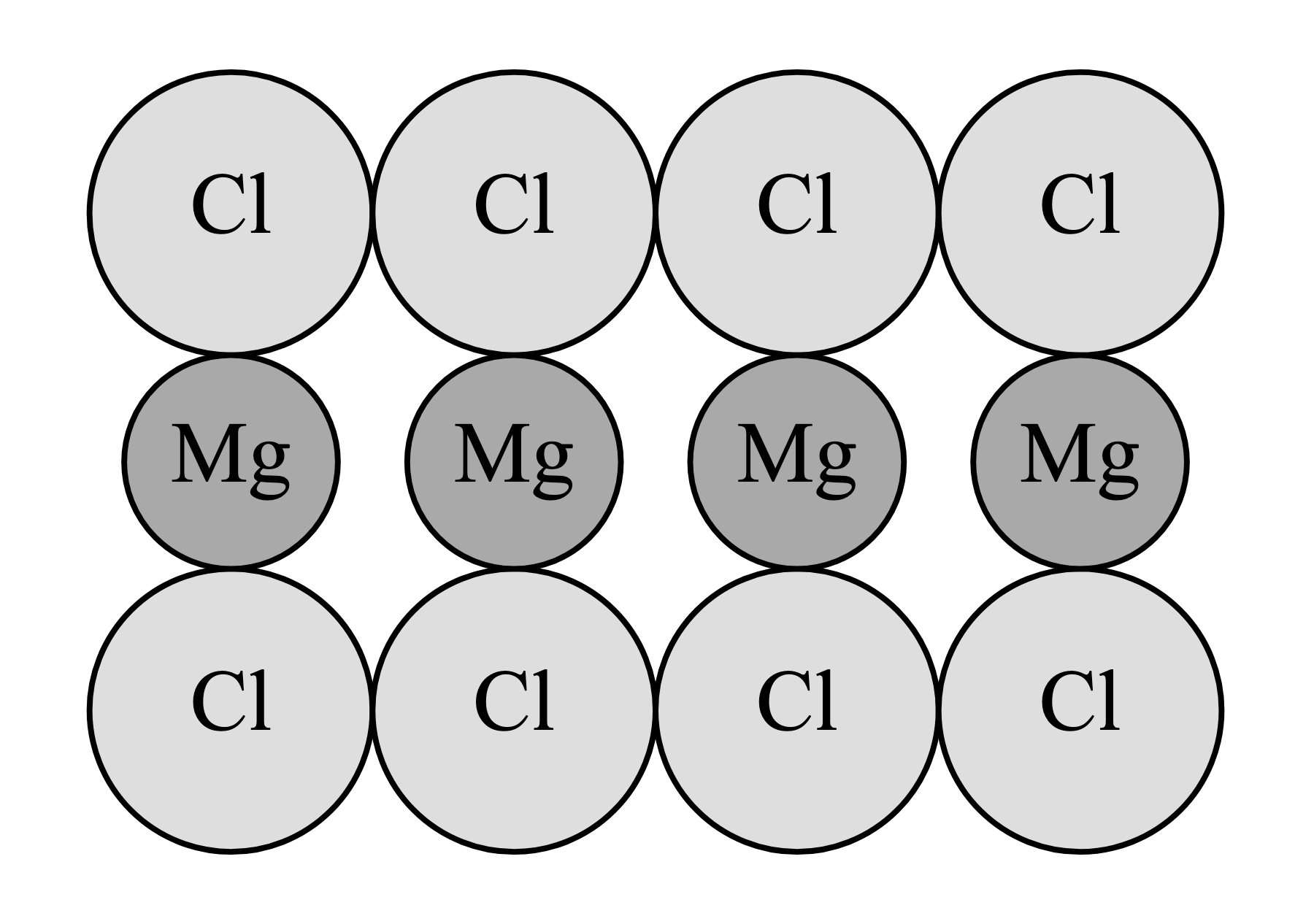
F71%Figure represents part of the structure of a compound of magnesium and chlorine.
Figure: Part of the structure of a compound of magnesium and chlorine
a.[1]
Determine the empirical formula of this compound.
b.[1]
Give one reason why the structure shown in Figure is ionic.
c.[1]
Give one limitation of using the model in Figure to represent a giant ionic structure.
2.1 Chemical bonds, ionic, covalent and metallic Questions
98 exam-style questions on AQA GCSE Chemistry 2.1 Chemical bonds, ionic, covalent and metallic, covering 2.1.1 Chemical bonds, 2.1.2 Ionic bonding, 2.1.3 Ionic compounds, 2.1.4 Covalent bonding, and 2.1.5 Metallic bonding. Each one has a worked solution and a mark scheme showing where the marks go.