5.1.1 Communicable and non-communicable diseases
Health Includes Physical, Mental and Social Wellbeing
Health
The state of physical and mental wellbeing, not simply the absence of disease.
- Health is a state of physical, mental and social wellbeing, not only the absence of disease.
- Physical wellbeing means the body and its organs can function effectively.
- Mental wellbeing means you can think, feel and cope with ordinary demands without persistent distress.
- Social wellbeing means you can form supportive relationships and take part in your community.
- Health can be affected by diet, stress, living conditions, income and access to healthcare because these change exposure to disease and the body's ability to cope with it.
- Health is affected by interactions between physical, mental and social factors, so a change in one area can alter the others.
- Long-term physical illness may limit movement and social contact, which can worsen mental wellbeing.
- Poor mental health may reduce appetite, sleep and willingness to seek treatment, which can worsen physical health.
- Living conditions affect exposure to pathogens, while income and healthcare access affect prevention, diagnosis and treatment.
- A person can have no diagnosed disease but still have poor physical, mental or social wellbeing.
Diseases Are Communicable or Non-communicable
Communicable disease
A disease that can be passed from one organism to another. It is caused by a pathogen, such as a bacterium, virus, fungus or protist.
Non-communicable disease
A disease that cannot be spread between organisms. It is not caused by a pathogen and often develops slowly, for example from lifestyle, diet, genes or a nutrient deficiency.
- A communicable disease is an illness caused by a pathogen that can pass between organisms.
- Examples include influenza caused by a virus, salmonellosis caused by bacteria, and malaria caused by a protist.
- A non-communicable disease is an illness that is not caused by a pathogen and cannot pass between organisms.
- Examples include cardiovascular disease, type 2 diabetes and cancer.
- Non-communicable diseases may be linked to lifestyle, inherited alleles, environmental exposure or nutrient deficiency.
- When comparing diseases, identify both cause and transmissibility because either feature alone gives an incomplete distinction.
- Do not describe a non-communicable disease as non-infectious only, because the definition must also state that it cannot be passed between organisms.
- Measles is communicable because a virus causes it and infected droplets can transfer the virus between people.
- Coronary heart disease is non-communicable because no pathogen causes it and it cannot spread from one person to another.
- For a comparison, state both sides: communicable diseases are caused by pathogens and can spread, whereas non-communicable diseases are not caused by pathogens and cannot spread.
- Examples support a comparison but do not replace the defining differences.
- What three parts of wellbeing are included in health?
- Define a communicable disease.
- Define a non-communicable disease.
- Classify malaria and type 2 diabetes, giving one reason for each.
5.1.2 Disease susceptibility interactions
One Disease Can Increase the Risk of Another
Immune system
The body's network of cells, tissues and organs that recognises and destroys pathogens and the abnormal cells they produce.
Susceptibility
The likelihood that a person will develop a disease after exposure to its cause.
- The immune system protects the body by recognising and destroying pathogens and infected cells.
- Susceptibility is the likelihood that a person will develop a disease after exposure to its cause.
- A first disease can damage a defence barrier, weaken immune responses or alter body tissues, which increases susceptibility to a second disease.
- A causal explanation must identify the first disease, the biological change it causes and why that change increases the second disease.
- A complete explanation links the first disease to a biological change and then links that change to the increased chance of a second disease.
HIV Weakens Immune Defence
- HIV infects and destroys particular white blood cells that coordinate immune responses.
- As the number of these cells falls, the body produces a weaker response to pathogens.
- Pathogens that would normally be controlled can reproduce and cause opportunistic infections.
- Untreated HIV infection can progress to AIDS, when immune function is severely damaged.
- HIV binds to specific white blood cells and uses them to reproduce, progressively reducing the cells available to coordinate immune responses.
- With fewer effective lymphocytes, antibody production and activation of other immune cells become less effective.
- Opportunistic pathogens then reproduce to damaging numbers even when they would usually be controlled.
- HIV reduces the number of white blood cells, so fewer pathogens are destroyed and the person becomes more susceptible to infections such as tuberculosis.
Barrier Damage Creates Entry Routes
- Intact skin forms a physical barrier that prevents pathogens entering body tissues.
- A burn, wound or skin disease breaks this barrier and exposes tissue beneath it.
- Bacteria can then enter, reproduce and cause an infection.
- Do not write that a wound creates bacteria, because the wound provides an entry route for bacteria already in the surroundings.
Infections Can Trigger Other Diseases
- Some viruses alter the control of cell division, which can increase the risk of certain cancers.
- For example, persistent infection with some strains of human papillomavirus increases the risk of cervical cancer.
- A severe physical disease can also reduce activity, disrupt sleep and cause long-term stress, which can worsen mental health.
- Some infections increase cancer risk because viral genetic material or long-term inflammation can disrupt control of cell division.
- Use a causal chain in an explanation: name the first disease, state what it damages or changes, then state why that raises susceptibility to the second disease.
- The link 'weaker immune system, so fewer pathogens are destroyed' is creditworthy because it gives both mechanism and consequence.
Separate Cause From Correlation
- If two diseases occur together, this does not by itself prove that one caused the other.
- Evidence for causation must show a plausible biological mechanism and rule out other factors that could explain the association.
- Define susceptibility.
- Explain how HIV increases susceptibility to other infections.
- Explain how a burn can lead to bacterial infection.
- Why does an association between two diseases not always prove causation?
5.1.3 Pathogens as disease-causing organisms
Pathogens Cause Communicable Disease
Pathogen
A microorganism that causes disease. Pathogens include some bacteria, viruses, fungi and protists.
- A pathogen is a microorganism or virus that causes disease.
- Pathogens cause disease by damaging cells and tissues or by producing toxins.
- A pathogen can be present before symptoms appear, so an infected person may transmit disease during an incubation period.
The four pathogen groups you must distinguish are bacteria, viruses, fungi and protists.
Bacteria Are Living Prokaryotic Cells
Bacterium
A single-celled prokaryotic microorganism. Harmful bacteria cause disease by reproducing rapidly and often releasing toxins that damage cells.
- A bacterium is a single prokaryotic cell with cytoplasm, ribosomes, a cell membrane and a cell wall but no nucleus.
- Its main DNA is a circular loop in the cytoplasm, and some bacteria also contain plasmids.
- Pathogenic bacteria may reproduce rapidly and release toxins that damage cells.
- Bacteria reproduce by binary fission, so favourable conditions can produce a rapid increase in bacterial number.
- Bacterial toxins may damage cell membranes, disrupt enzymes or stimulate water loss from tissues, producing disease symptoms.
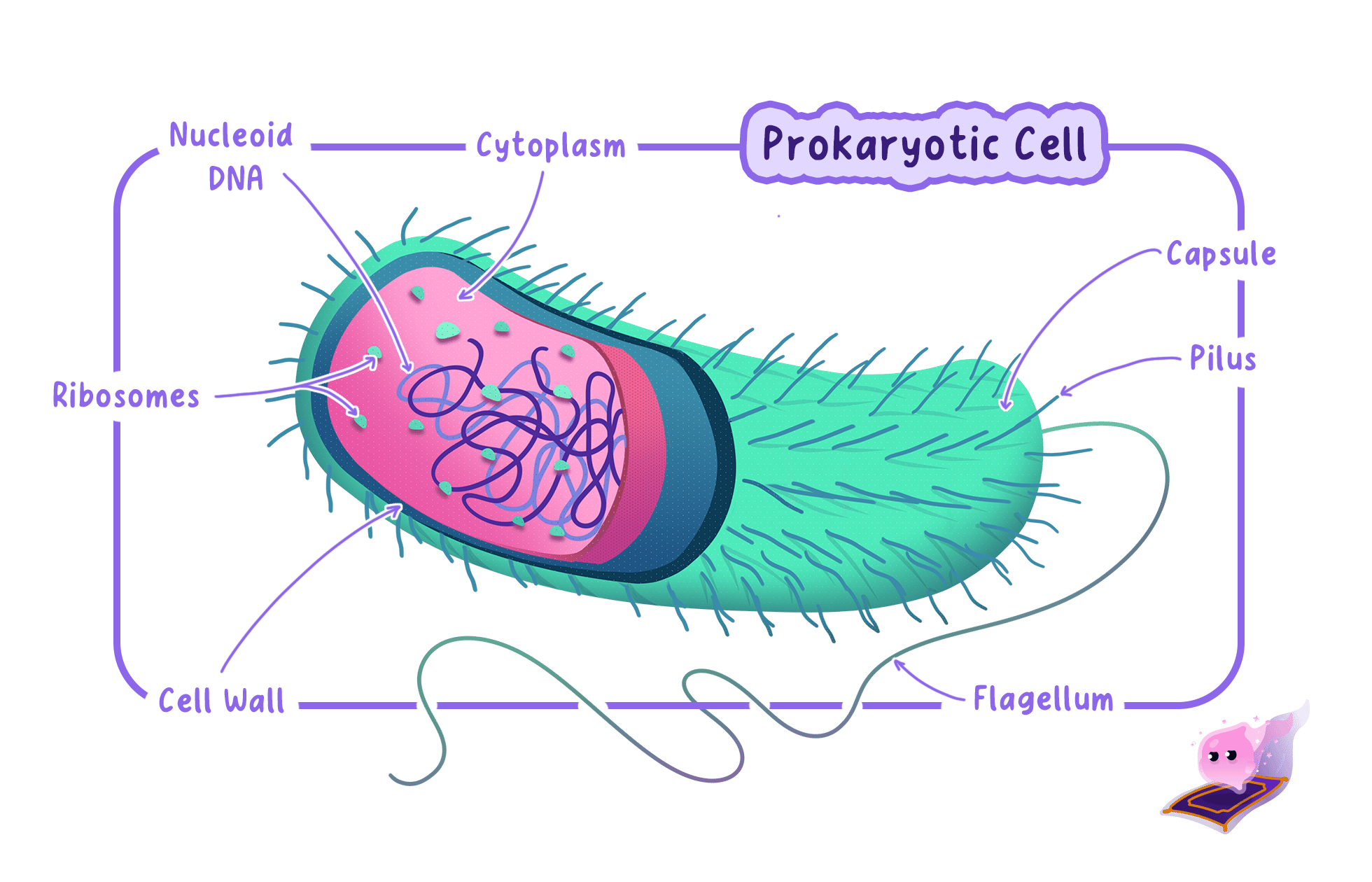
Salmonella bacteria reproduce in the gut and release toxins, which cause fever, abdominal cramps and diarrhoea.
Viruses Reproduce Inside Host Cells
Virus
A non-cellular infectious particle made of a strand of genetic material enclosed in a protein coat, which can reproduce only inside a living host cell.
- A virus is a non-cellular particle containing genetic material inside a protein coat.
- A virus enters a host cell and uses the cell's machinery to make new virus particles.
- The host cell is damaged or destroyed as the new viruses are released.
- Virus attachment is specific because surface proteins bind only to complementary receptors on suitable host cells.
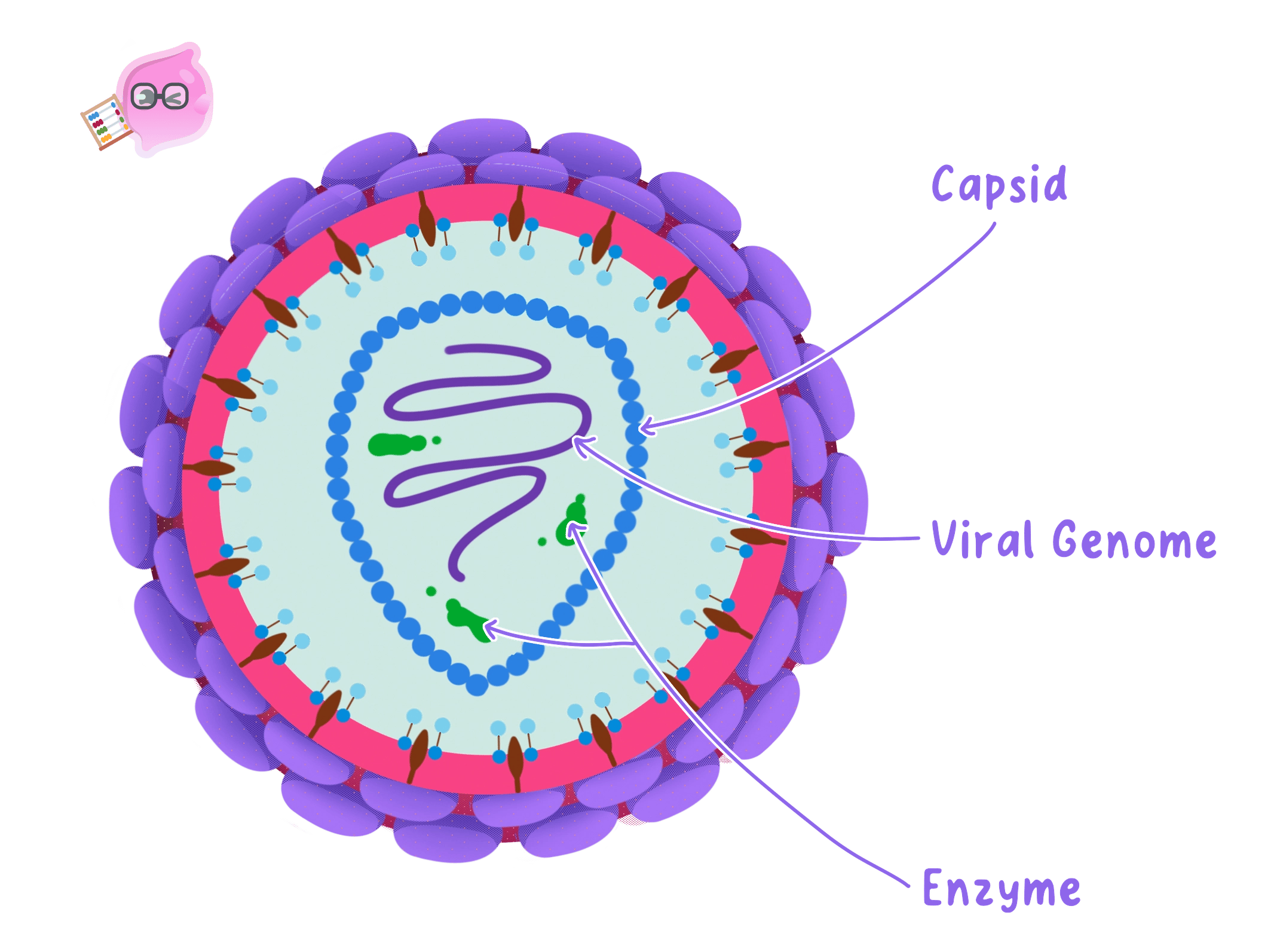
Do not call a virus a cell because it has no cytoplasm, cell membrane or independent metabolism.
Fungi and Protists Are Eukaryotic
Fungus
A eukaryotic organism that may be single-celled (like yeast) or made of thread-like hyphae. Some fungi are pathogens of plants or animals.
Protist
A single-celled eukaryotic organism. Some protists are pathogens and are usually carried to a host by a vector, such as the malarial protist spread by mosquitoes.
- A pathogenic fungus may grow as thread-like hyphae through tissues and produce spores that spread to new hosts.
- A pathogenic protist is a single-celled eukaryote that damages host cells, and some are transferred by vectors.
- Fungal hyphae penetrate tissues, absorb nutrients and damage cells, while spores allow the infection to reach new hosts.
- Protists are eukaryotic cells with a nucleus and organelles, but pathogenic species live in or on a host and take resources from it.
- When asked how a pathogen causes symptoms, name the mechanism, such as toxin release or host-cell damage, and then state the tissue effect.
- Do not gain a mechanism mark by naming the pathogen group alone.
Compare Pathogens by Cell Structure
- Bacteria are prokaryotic cells, fungi and protists are eukaryotic, and viruses are not cells.
- Viruses are much smaller than bacteria and cannot reproduce without a living host cell.
- Define pathogen.
- Name the four pathogen groups.
- How can bacteria cause symptoms?
- Why can a virus reproduce only inside a host cell?
5.1.4 Common infections
Common Infections Damage Specific Tissues
Communicable disease
A disease that can be passed from one organism to another. It is caused by a pathogen, such as a bacterium, virus, fungus or protist.
- The symptoms of an infection depend on the pathogen, the tissue it infects and the damage it causes.
- You should link each named disease to its pathogen group and its characteristic effect.
Disease descriptions score when the pathogen type and the resulting damage or symptom are both correct.
Bacterial Diseases
Bacterium
A single-celled prokaryotic microorganism. Harmful bacteria cause disease by reproducing rapidly and often releasing toxins that damage cells.
- Cholera is caused by bacteria that release a toxin in the small intestine, causing severe watery diarrhoea and dangerous dehydration.
- Tuberculosis is caused by bacteria that mainly infect the lungs, where inflammation and tissue damage reduce gas exchange.
- Stomach ulcers can be caused by Helicobacter bacteria that damage the stomach lining, allowing acid to injure the tissue beneath.
- Cholera toxin causes ions to move into the intestinal lumen, and water follows by osmosis, producing severe watery diarrhoea and dehydration.
- Tuberculosis bacteria can remain in the lungs, where repeated immune responses damage alveoli and reduce the surface available for gas exchange.
- Helicobacter damages the protective stomach lining, so hydrochloric acid and digestive enzymes reach underlying tissue and form an ulcer.
cholera toxin causes water and ions to move into the intestine, so the patient loses large volumes of watery faeces and becomes dehydrated.
Fungal and Protist Diseases
Vector
A living organism that carries a pathogen from one host to another without catching the disease itself, for example a mosquito carrying the malarial protist.
- Chalara ash dieback is a fungal disease of ash trees that causes leaf loss, bark lesions and dieback of shoots and branches.
- Malaria is caused by a protist carried by female Anopheles mosquitoes, and it damages liver cells and red blood cells.
- Repeated destruction of red blood cells causes cycles of fever and can lead to anaemia.
- Ash dieback spreads through fungal spores, causing dark bark lesions, leaf loss and death of shoots as conducting tissues are damaged.
- The malarial protist first reproduces in liver cells and later in red blood cells, whose repeated rupture produces cycles of fever and anaemia.
The mosquito is the vector for malaria, while the protist is the pathogen.
Viral Diseases
- HIV infects and destroys white blood cells, so the immune system becomes less able to control other pathogens.
- Untreated HIV infection can progress to AIDS, when opportunistic infections and some cancers can become life-threatening.
- Ebola is a viral disease that causes severe fever and can damage blood vessels, leading to internal and external bleeding.
- HIV lowers the number of functioning white blood cells over years, while AIDS describes the severe immune-deficiency stage that may follow.
- Ebola damages several organs and blood vessels, so severe fluid loss and haemorrhage can lead to shock.
- Write disease answers as a linked pair: identify the pathogen group, then state the named tissue damage or symptom.
- For HIV, connect white-blood-cell destruction to weaker immunity rather than saying only that HIV causes AIDS.
Distinguish Disease From Symptom
- Diarrhoea, fever and bleeding are symptoms, while cholera, malaria and Ebola are diseases.
- A symptom alone does not identify the pathogen because different diseases can produce similar symptoms.
- What causes cholera and what symptom does it produce?
- How does tuberculosis damage the body?
- Which pathogen causes ash dieback?
- Explain how HIV can lead to AIDS.
- What tissues are damaged by malaria?
5.1.5 Spread and prevention of pathogens
Transmission Routes Determine Prevention
Transmission
The passing of a pathogen from an infected organism to another organism.
- Transmission is the passing of a pathogen from an infected organism to another organism.
- Prevention works by breaking the route used by the pathogen.
Match the control method to the transmission route in every explanation.
Water and Airborne Transmission
- Cholera bacteria spread in water contaminated with faeces from an infected person.
- Clean drinking water, sewage treatment, handwashing and safe food preparation reduce cholera transmission.
- Tuberculosis bacteria spread in droplets released when an infected person coughs or sneezes.
- Good ventilation, covering coughs, testing, isolation and completing antibiotic treatment reduce tuberculosis spread.
- Ash dieback fungal spores travel through the air and on infected plants.
- Removing infected material and restricting movement of ash plants reduce the number of spores reaching healthy trees.
- Sewage treatment separates human waste from drinking water, breaking the faecal-oral route used by cholera bacteria.
- Ventilation dilutes airborne droplets, while isolation reduces the number of susceptible people exposed to tuberculosis.
- Removing infected ash trees reduces spore production, and restrictions on plant movement prevent infected material reaching new areas.
treating sewage prevents cholera bacteria in faeces from reaching drinking water, so fewer people swallow the pathogen.
Vectors and Direct Contact
Vector
A living organism that carries a pathogen from one host to another without catching the disease itself, for example a mosquito carrying the malarial protist.
- Malaria spreads when a mosquito vector transfers the protist between human bloodstreams.
- Insecticide-treated bed nets, repellents, indoor insecticides and removing standing water reduce mosquito bites or breeding.
- Helicobacter bacteria can spread by oral transmission through saliva or food and water contaminated with faeces.
- Handwashing, safe water and hygienic food preparation reduce oral transmission.
- Mosquito control works at different stages: removing standing water reduces breeding, insecticide kills vectors and bed nets prevent bites.
Body Fluids Spread Ebola
- Ebola virus spreads through direct contact with infected blood or other body fluids and contaminated objects.
- Isolation, protective clothing, disinfection, safe handling of bodies and contact tracing reduce exposure to infected fluids.
- Contact tracing identifies people exposed to Ebola before they unknowingly pass infected fluids to others.
Do not describe Ebola as airborne because its main route is direct contact with infected body fluids.
Population Controls Add Protection
Vaccination
Introducing a harmless form of a pathogen into the body so the immune system produces antibodies and memory cells, giving protection against future infection.
- Vaccination reduces the number of susceptible hosts when a suitable vaccine is available.
- Rapid diagnosis and treatment can shorten the time an infected person passes on a pathogen.
- State the route, name the control and explain how the control interrupts that route.
- A list of precautions without a transmission link is weaker than one clear causal explanation.
Evaluate a Control Method
- A control may be effective but limited by cost, access, public compliance or the pathogen's ability to spread before symptoms appear.
- Using several controls together usually blocks more than one stage of transmission.
- A prevention programme is stronger when it combines controls because no single measure is completely effective.
- How does cholera spread and how can its spread be reduced?
- Give two controls for airborne tuberculosis.
- How do bed nets reduce malaria transmission?
- Why is protective clothing used when treating Ebola?
5.1.6 Lifecycle of a virus
Viruses Use Host Cells to Reproduce
Virus
A non-cellular infectious particle made of a strand of genetic material enclosed in a protein coat, which can reproduce only inside a living host cell.
- A virus cannot reproduce independently because it lacks the cellular machinery needed to copy genetic material and make proteins.
- It attaches to a matching receptor on a host cell and transfers its genetic material into the cell.
After entry, viral genetic material follows either a lytic pathway or a lysogenic pathway.
The Lytic Pathway Destroys the Cell
Lytic cycle
The way many viruses reproduce: the virus enters a host cell, uses it to make many copies of itself, then bursts the cell open to release the new virus particles.
- The virus attaches to a suitable host cell and inserts or releases its genetic material.
- Viral genes take control of the cell's enzymes and ribosomes.
- The host cell copies viral genetic material and makes viral proteins.
- New virus particles assemble inside the cell.
- The host cell lyses, releasing many new viruses that can infect other cells.
- During attachment, viral surface proteins bind to complementary receptors on a suitable host cell, which determines host-cell specificity.
- After entry, viral genetic material redirects host enzymes and ribosomes to copy the genome and synthesise capsid proteins.
- During assembly, copied genetic material is packaged into new protein coats before the particles are released.
- Lysis kills the host cell as new virus particles escape, so repeated cycles damage tissue and produce symptoms.
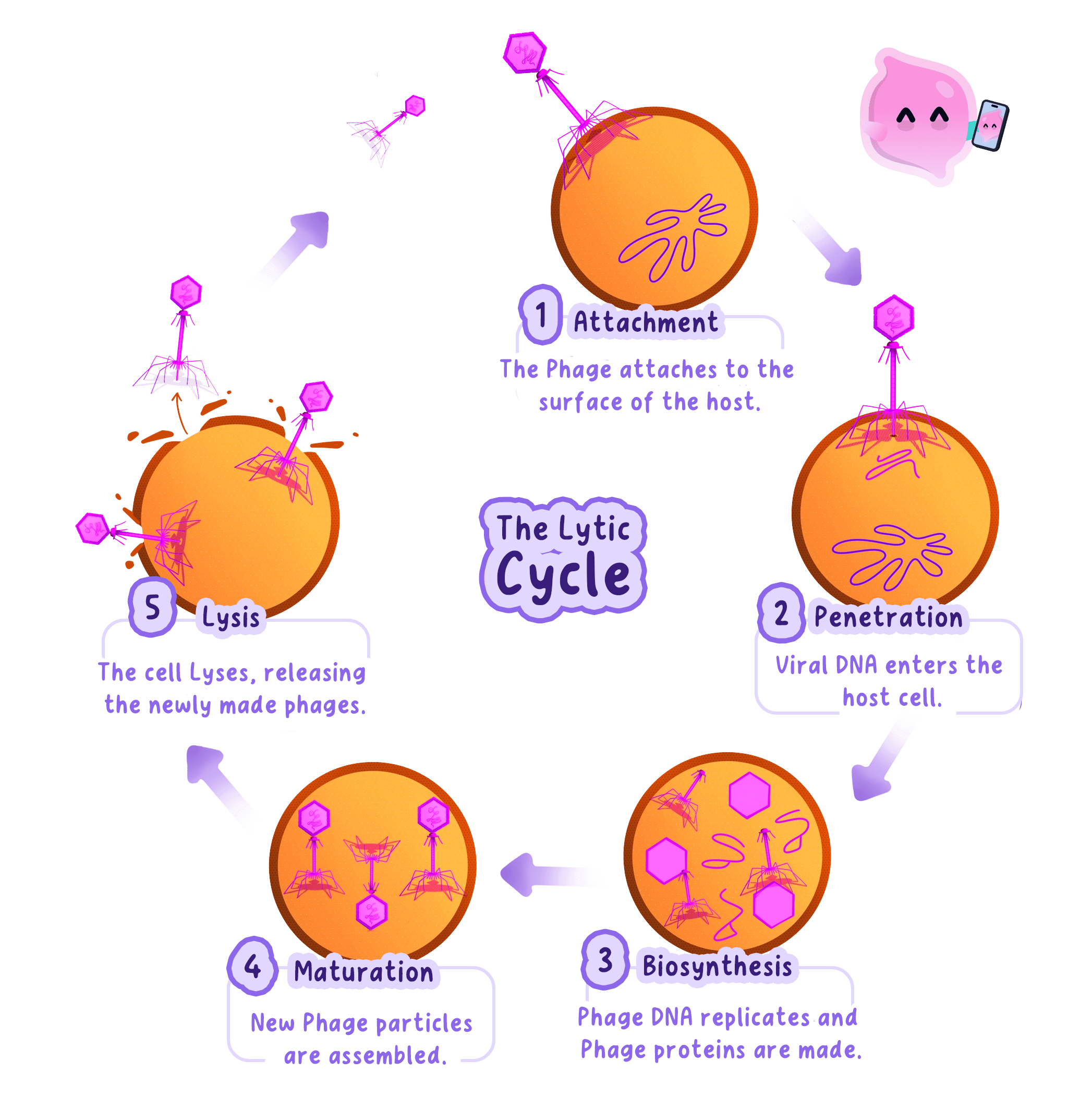
if one infected cell releases many virus particles, each particle can infect another cell, so the number of infected cells rises rapidly.
The Lysogenic Pathway Delays Lysis
- Viral genetic material enters the host cell and becomes incorporated into the host DNA.
- The viral DNA is copied whenever the host cell copies its own DNA and divides.
- The host cell may continue functioning without producing complete virus particles.
- A trigger can activate the viral genes, causing the infection to switch to the lytic pathway.
- In the lysogenic pathway, integrated viral DNA is copied with host DNA without immediate production of complete virus particles.
- Environmental stress or another trigger can activate integrated viral genes and switch the infection into the lytic pathway.
Do not say the virus is inactive during lysogeny because its genetic material is copied with the host DNA.
Compare the Two Pathways
- Both pathways begin with viral genetic material entering a host cell.
- The lytic pathway immediately makes new viruses and destroys the host cell.
- The lysogenic pathway inserts viral material into host DNA and may remain without cell lysis for many divisions.
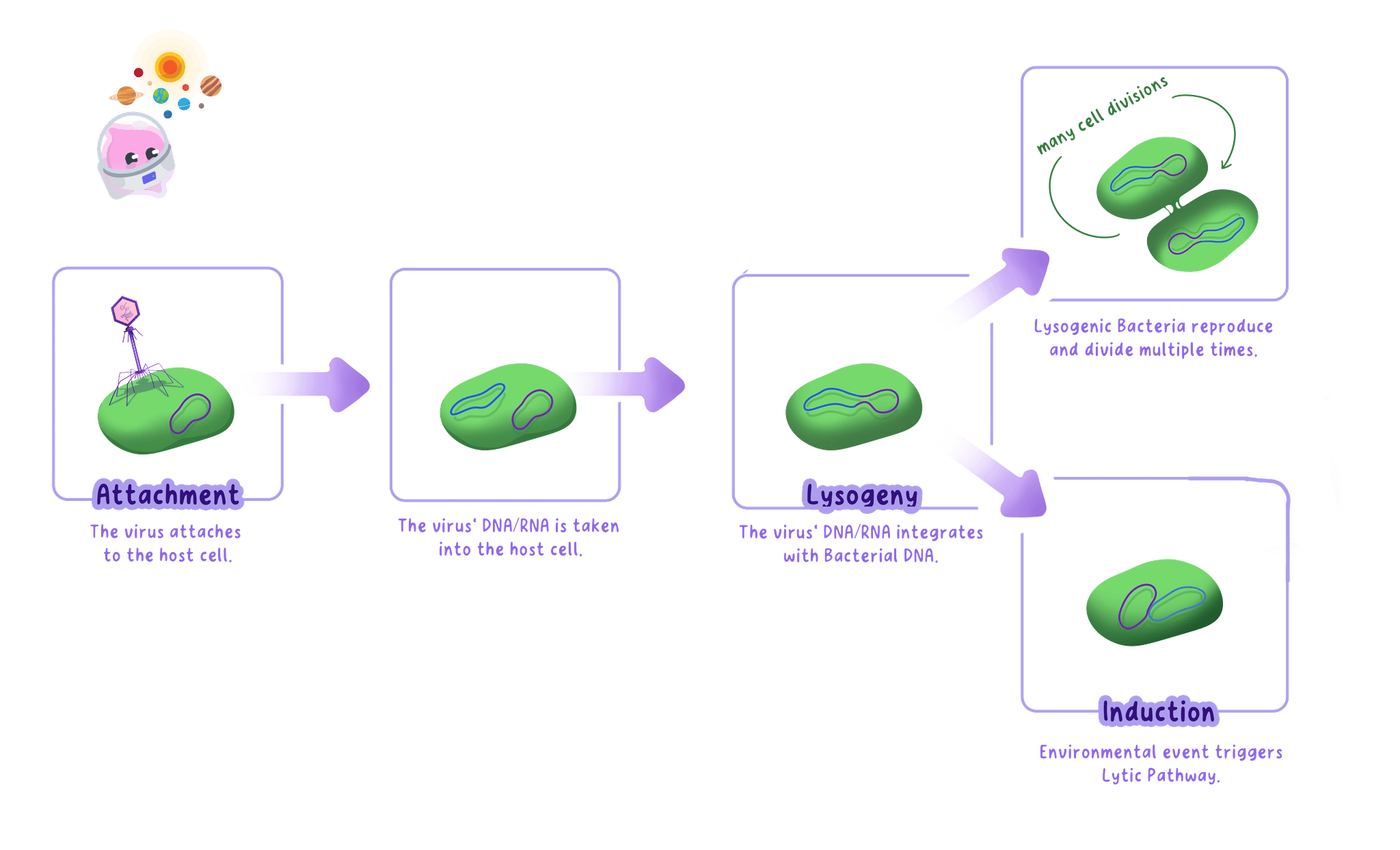
- For a comparison, give paired differences about viral replication and the fate of the host cell.
- Use sequence words only when they preserve the biological order: attachment, entry, replication, assembly and release.
Explain Symptoms From Cell Damage
- Lysis damages tissues because many infected cells are destroyed.
- The immune response to infected cells can also cause inflammation and other symptoms.
- Why can a virus reproduce only inside a host cell?
- List the stages of the lytic pathway.
- What happens to viral DNA during the lysogenic pathway?
- Give one difference between lytic and lysogenic pathways.
5.1.7 Spread and prevention of STIs
STIs Spread Through Sexual Contact or Body Fluids
Sexually transmitted infection
An infection spread from person to person through sexual contact or the exchange of body fluids.
- A sexually transmitted infection is an infection passed mainly through sexual contact or exchange of infected body fluids.
- An infected person may have no symptoms and can still transmit the pathogen.
Prevention reduces contact with infected fluids, identifies infections early and treats them where treatment is available.
Chlamydia Is a Bacterial STI
- Chlamydia is caused by bacteria and is transmitted during unprotected sexual contact.
- It often causes no symptoms, but it may cause pain when urinating or unusual discharge.
- Untreated infection can spread through the reproductive system and cause pelvic inflammatory disease and infertility.
- Barrier contraception reduces transmission, while testing and antibiotics identify and treat infected people and their partners.
- Chlamydia infects cells lining the reproductive tract and may spread to the uterus and oviducts, where inflammation and scarring can block an oviduct.
testing matters because a person without symptoms can receive antibiotics before unknowingly passing chlamydia to a partner.
HIV Damages Immune Defence
HIV
Human immunodeficiency virus: a virus that infects and destroys white blood cells, weakening the immune system. If untreated it can lead to AIDS.
AIDS
Acquired immune deficiency syndrome: the late stage of HIV infection, when the immune system is so badly damaged that the body can no longer fight off other infections and cancers.
- HIV is present in blood, semen, vaginal fluids and breast milk.
- It can spread through unprotected sex, shared needles, infected blood, and from mother to baby during pregnancy, birth or breastfeeding.
- HIV infects and destroys white blood cells, weakening the immune system.
- AIDS is the late stage of untreated HIV infection, when severe immune damage allows opportunistic infections and some cancers to develop.
- HIV transmission requires infected fluid to reach another person's bloodstream or vulnerable tissue.
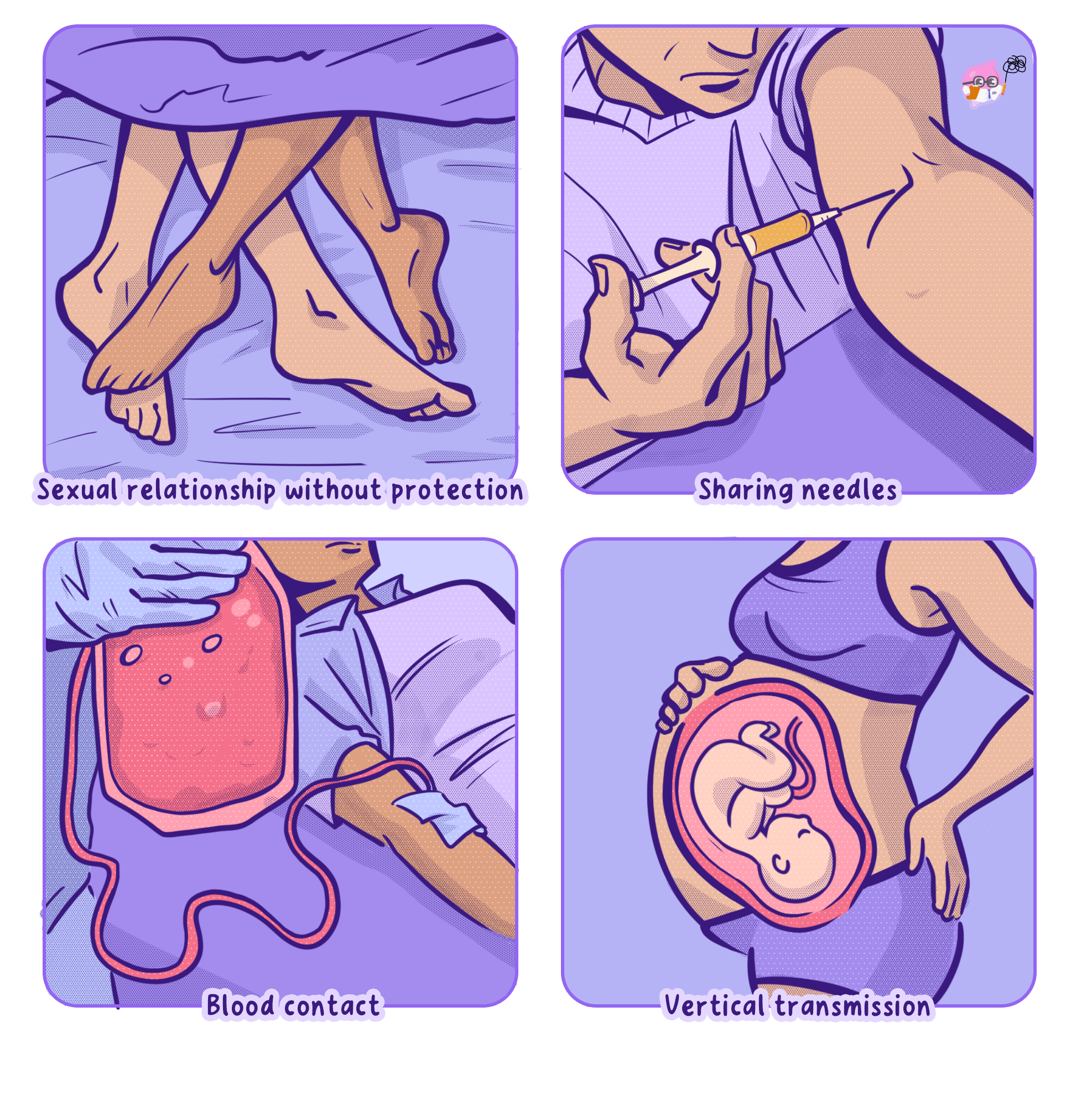
HIV is the virus, while AIDS is the condition that can develop after long-term immune-system damage.
Several Measures Reduce HIV Transmission
Antiretroviral drug
A medicine that controls HIV by stopping the virus reproducing, slowing or preventing the onset of AIDS.
- Condoms reduce exchange of infected sexual fluids.
- Sterile needles prevent transfer of infected blood.
- Screening donated blood prevents infected blood products being used.
- Testing allows infected people to begin treatment and take steps to avoid transmission.
- Antiretroviral drugs reduce viral replication, protecting white blood cells and lowering the amount of virus in the blood.
- Treatment during pregnancy and birth greatly reduces transmission from mother to baby.
- Antiretroviral therapy uses combinations of drugs to inhibit stages of viral replication, reducing viral load and protecting white blood cells.
- A lower viral load reduces transmission risk, but treatment does not remove the virus from the body.
- Condoms reduce exchange of sexual fluids, sterile needles prevent blood-to-blood transfer and screened donations prevent infected transfusions.
- Link each measure to the route it blocks: condoms block sexual-fluid exchange, sterile needles block blood-to-blood transfer, and screening blocks infected transfusions.
- Do not state that antibiotics treat HIV because antibiotics act on bacteria, not viruses.
Prevention Does Not Depend on Symptoms
- Regular testing is necessary because chlamydia and early HIV infection may be asymptomatic.
- Partner notification allows exposed people to be tested and treated.
- A person with asymptomatic chlamydia can transmit bacteria without knowing, which is why screening and partner notification are needed.
- How is chlamydia transmitted and treated?
- Why can untreated chlamydia cause infertility?
- Give three routes of HIV transmission.
- How do antiretroviral drugs reduce HIV transmission?
